Confused about can’t vs cannot?
You’re not alone.
Students lose marks over this.
Professionals weaken emails because of it.
Writers damage authority without realizing it.
It looks like a small grammar choice.
But it changes tone, clarity, and credibility.
Let’s answer it immediately.
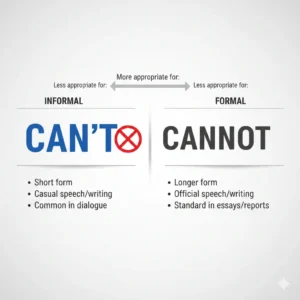
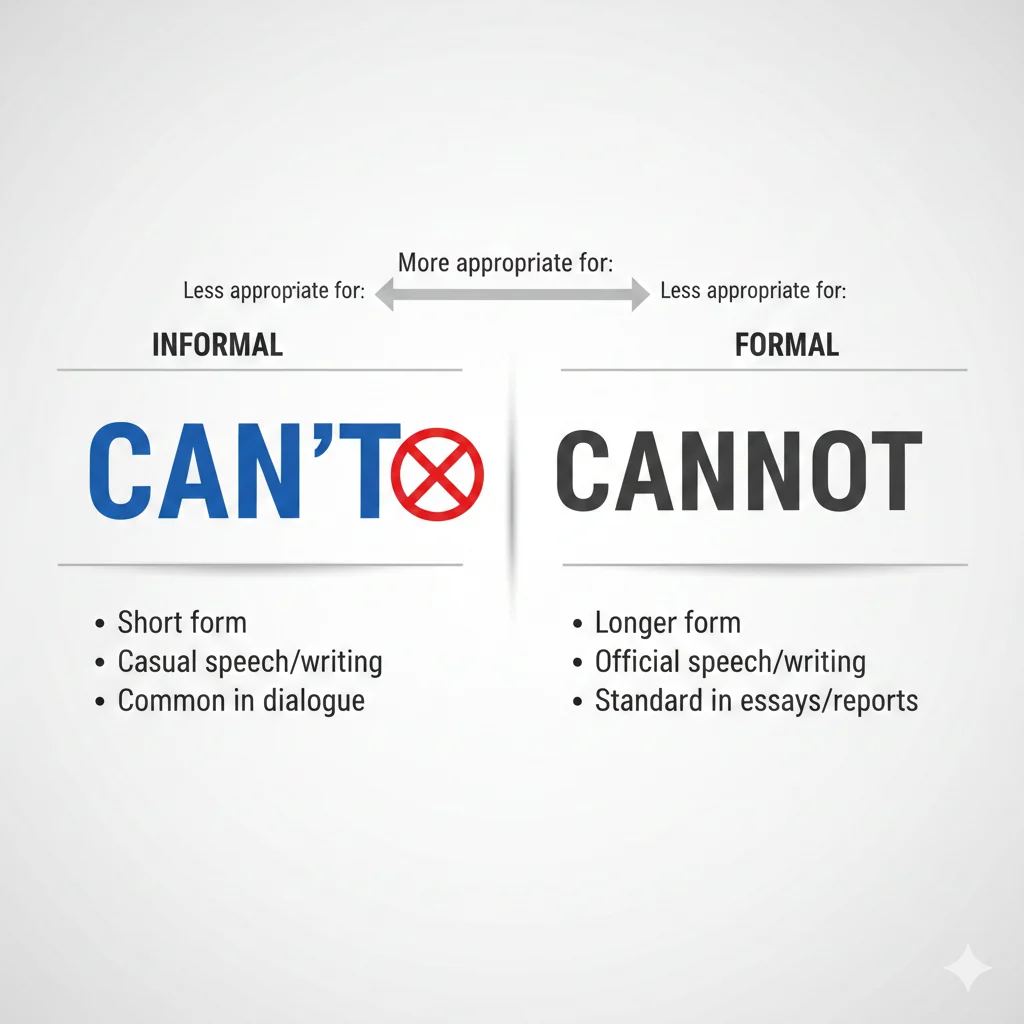
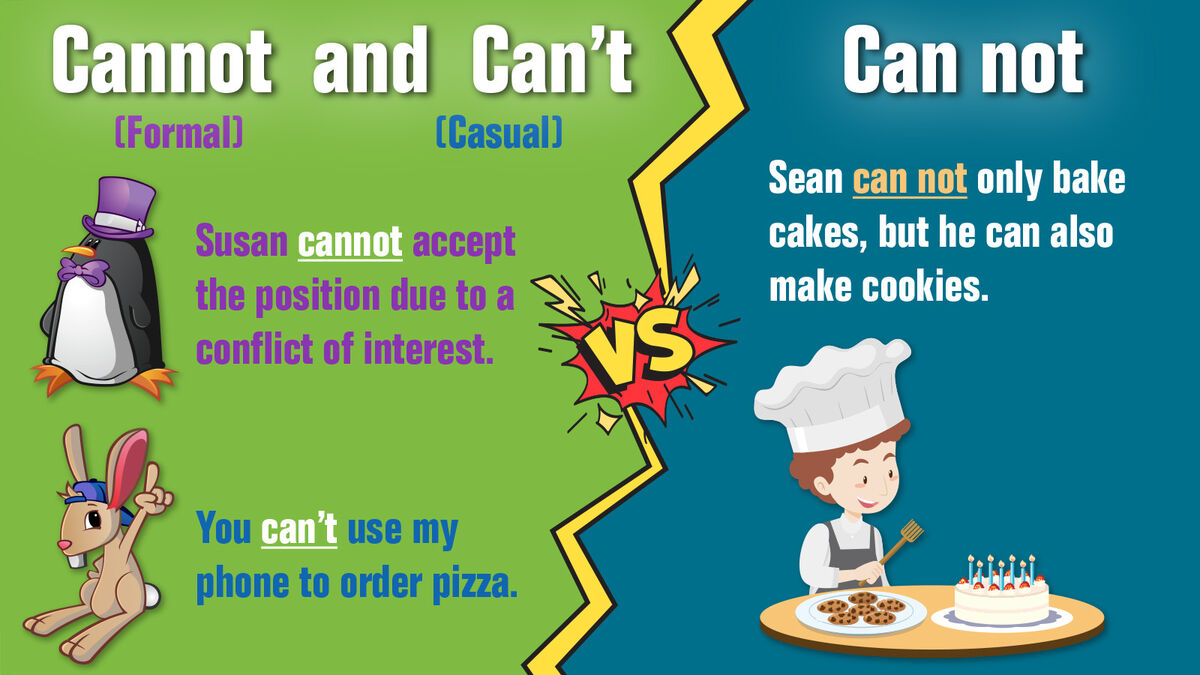
Can’t and cannot mean the same thing. The difference is tone. “Cannot” is formal. “Can’t” is informal.
Simple.
But here’s why people still struggle:
- Can not or cannot academic writing?
- What’s the difference between cannot and can’t?
- When to use can or cannot?
- Is it grammatically correct to say “cannot”?
- What is the difference between can’t and never?
- Cannot or cannot UK?
Choosing wrong can:
- Reduce academic grades
- Make business writing sound casual
- Hurt professional credibility
- Confuse global readers
This guide solves everything about can’t vs cannot grammar, usage rules, formal standards, UK vs US clarity, and real examples — in simple, mobile-friendly language.
Let’s break it down.

Can’t vs Cannot means
There is no meaning difference.
Only tone changes.
- Cannot → formal
- Can’t → informal
Both show inability.
Can’t Meaning
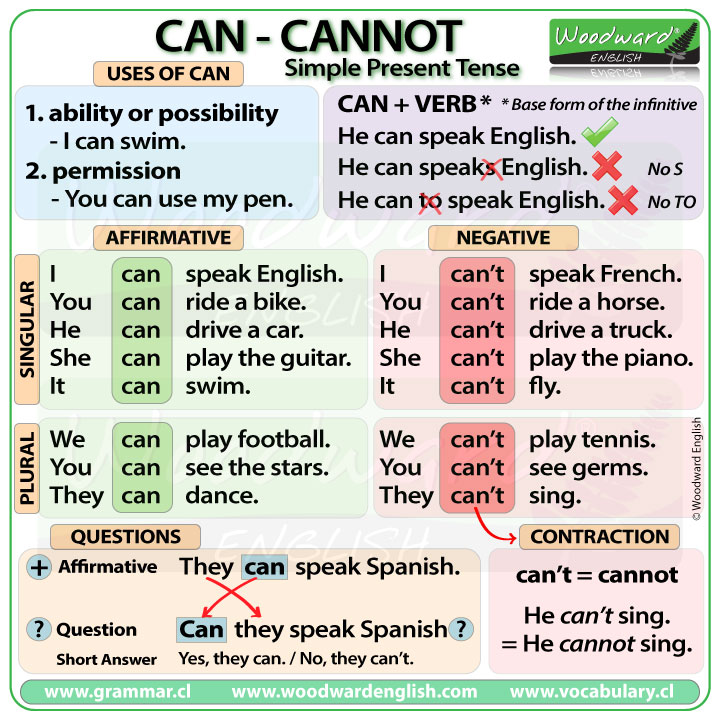
“Can’t” is the contraction of “cannot.”
It means: not able to.
Can’t vs Cannot Sentences
- I cannot attend the meeting.
- I can’t attend the meeting.
Both are correct.
The first is formal. The second is casual.
Can’t vs Cannot Grammar Examples
Formal report:
The results cannot be ignored.
Text message:
I can’t believe this!
The Origin of Can’t vs Cannot
The word cannot comes from two Old English words:
- can → ability
- not → negation
Over time, they joined to form the single word cannot.
Later, spoken English created contractions.
That’s how can’t appeared.
Can’t vs Cannot vs Can Not
This causes confusion.
| Form | Meaning | When to Use |
|---|---|---|
| cannot | Standard negative | Formal & neutral writing |
| can’t | Contraction | Informal speech & writing |
| can not | Separate meaning structure | Rare cases only |
Correct example of can not:
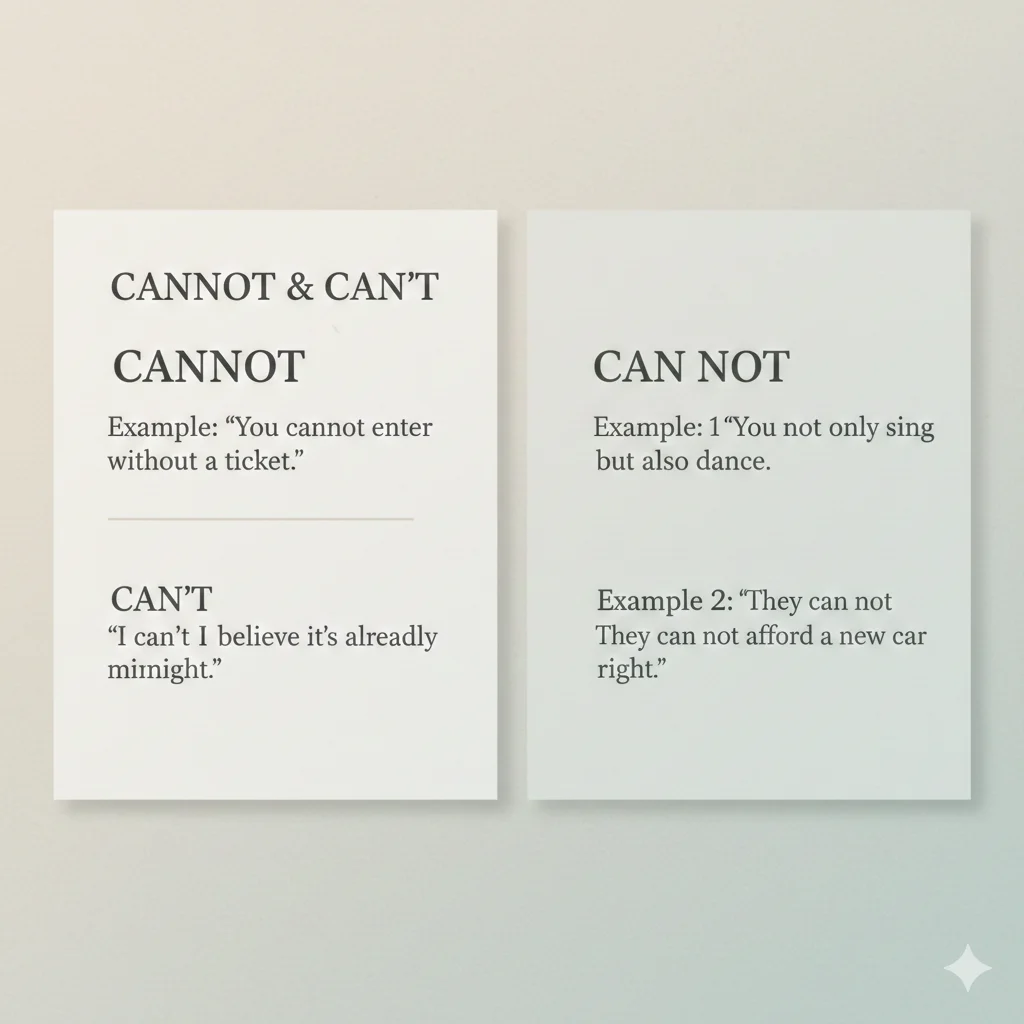
You can not only sing but also dance.
In almost all other situations, use cannot — not can not.
British English vs American English Spelling
Good news.
There is no spelling difference.
If you search: “Cannot or cannot UK?”
The answer is simple: Both are correct in US and UK.
Unlike confusing grammar debates like composed vs comprised definition, this topic is only about tone — not spelling.
Comparison Table
| Context | American English | British English |
|---|---|---|
| Academic writing | cannot | cannot |
| Business writing | cannot | cannot |
| Casual speech | can’t | can’t |
| Journalism | cannot | cannot |
Spelling stays the same worldwide.
Which Spelling Should You Use?
The answer depends on audience.
Use cannot when:
- Writing academic essays
- Submitting research papers
- Sending business emails
- Writing legal documents
- Creating professional reports
If you ask:
Can not or cannot academic writing?
Always choose cannot.
It looks serious.
It sounds authoritative.
It meets formal grammar standards.
Use can’t when:
- Texting
- Posting on social media
- Writing dialogue
- Blogging casually
Global Rule
When unsure, choose cannot in professional writing.
It works everywhere.
Common Mistakes with Can’t vs Cannot
1. Writing “can not” incorrectly
❌ I can not attend class.
✔ I cannot attend class.
2. Using contractions in formal writing
❌ The theory can’t explain this.
✔ The theory cannot explain this.
3. Confusing can’t and never
Many ask:
What is the difference between can’t and never?
- Cannot → not able
- Never → not at any time
Example:
- I cannot swim. (No ability.)
- I never swim. (No habit.)
4. Incorrect Capitalization
❌ Can’T
✔ Can’t
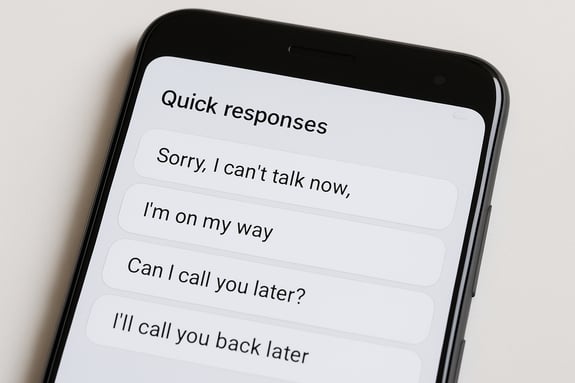
Can’t vs Cannot in Everyday Examples

4
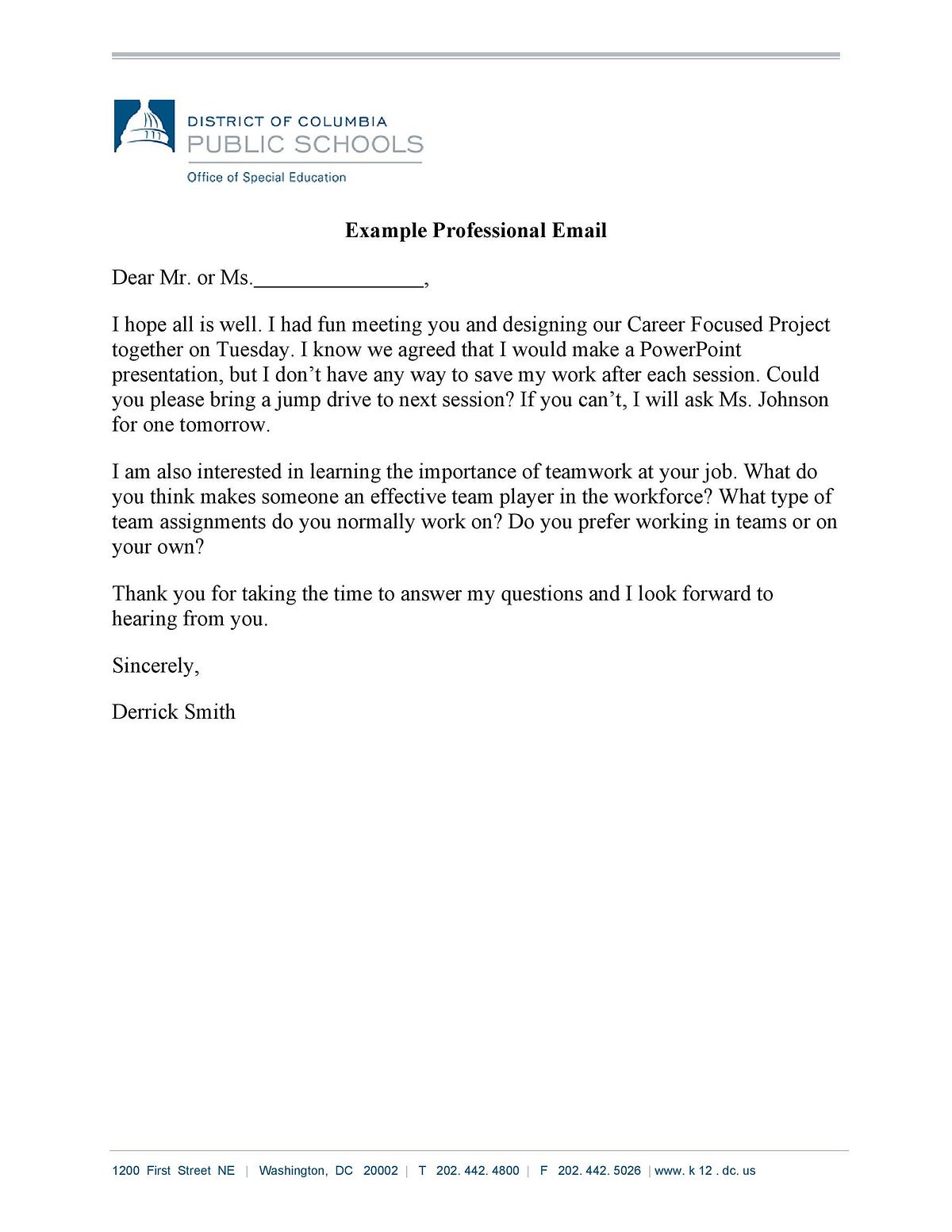
In Emails
Formal:
We cannot approve your request at this time.
Informal:
Sorry, I can’t join today.
In News Articles
The government cannot ignore climate change.
On Social Media
I can’t believe this happened!
In Academic Writing
The findings cannot be generalized.
Can’t vs Cannot Grammar Deep Explanation
Grammar structure:
Subject + cannot + base verb
Example: She cannot drive.
Contraction structure:
Subject + can’t + base verb
Example: She can’t drive.
There is no grammar difference.
Only style and tone change.
If someone asks:
Is it grammatically correct to say “cannot”?
Yes. It is completely correct.
When to use can or cannot?
- Use can for ability.
- Use cannot for inability.
Simple rule.
Can’t vs Cannot Quiz
Test yourself.
- Academic paper: The results ___ be ignored.
- Text message: I ___ come tonight.
- Business email: We ___ process your order.
- Correct form: I can not swim. (True or False?)
Answers:
- cannot
- can’t
- cannot
- False
This quick Can t vs cannot quiz shows tone matters.
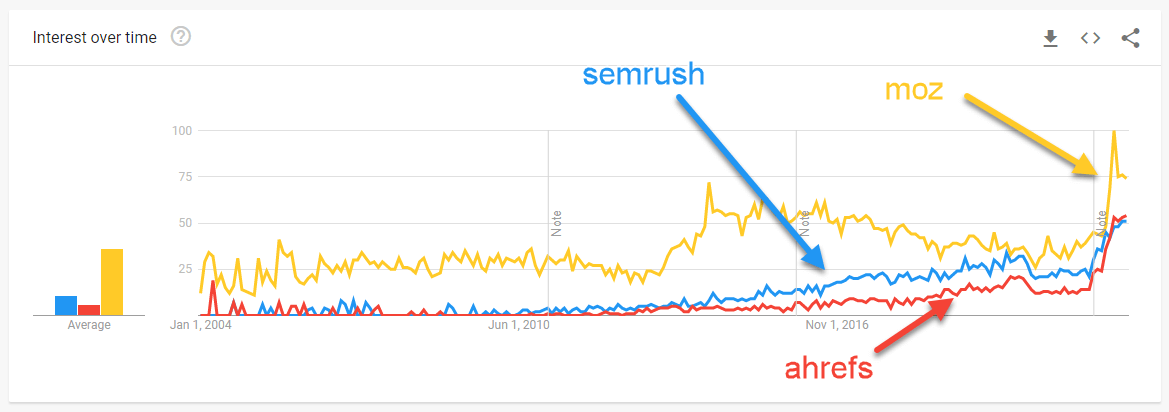
Can’t vs Cannot – Google Trends & Usage Data

4
Search behavior shows patterns:
- “can’t” appears more in casual searches.
- “cannot” appears more in academic-related queries.
- Students frequently search:
- What’s the difference between cannot and can’t?
- When to use can or cannot?
- Is it grammatically correct to say “cannot”?
In speech, can’t dominates.
In professional writing, cannot dominates.
Advanced Comparison Table
| Feature | cannot | can’t | can not |
|---|---|---|---|
| Meaning | Not able | Not able | Special structure only |
| Tone | Formal | Informal | Rare |
| Academic writing | Recommended | Avoid | Avoid |
| Business writing | Recommended | Limited | Avoid |
| Social media | Acceptable | Preferred | Rare |
| Grammar correctness | 100% correct | 100% correct | Conditional |
FAQs About Can’t vs Cannot
1. What’s the difference between cannot and can’t?
There is no meaning difference. Only tone differs.
2. When to use can or cannot?
Use can for ability. Use cannot for inability.
3. Is it grammatically correct to say “cannot”?
Yes. It is standard and formal English.
4. Cannot or cannot UK?
Same spelling in US and UK.
5. Can I use can’t in academic writing?
It is better to use cannot.
6. What is the difference between can’t and never?
Cannot means not able. Never means not at any time.
7. Is “can not” correct?
Only in rare sentence structures.
Conclusion
The difference between can’t vs cannot is not about grammar mistakes.
It is about tone.
Both mean the same thing.
Both are grammatically correct.
But context decides which one works best.
Use cannot in academic, legal, and professional writing.
It shows clarity, seriousness, and authority.
Use can’t in conversation, social media, and informal writing.
It sounds natural and friendly.
Avoid “can not” unless the structure truly requires it.
Small grammar choices create big impact.
Clear writing builds trust.
Trust builds credibility.
Now you know exactly when to use each form — with confidence.

Nina Allan, a visionary storyteller at SimileHub.com, explores emotion through vivid imagery, helping readers unlock deeper creative expression through language.