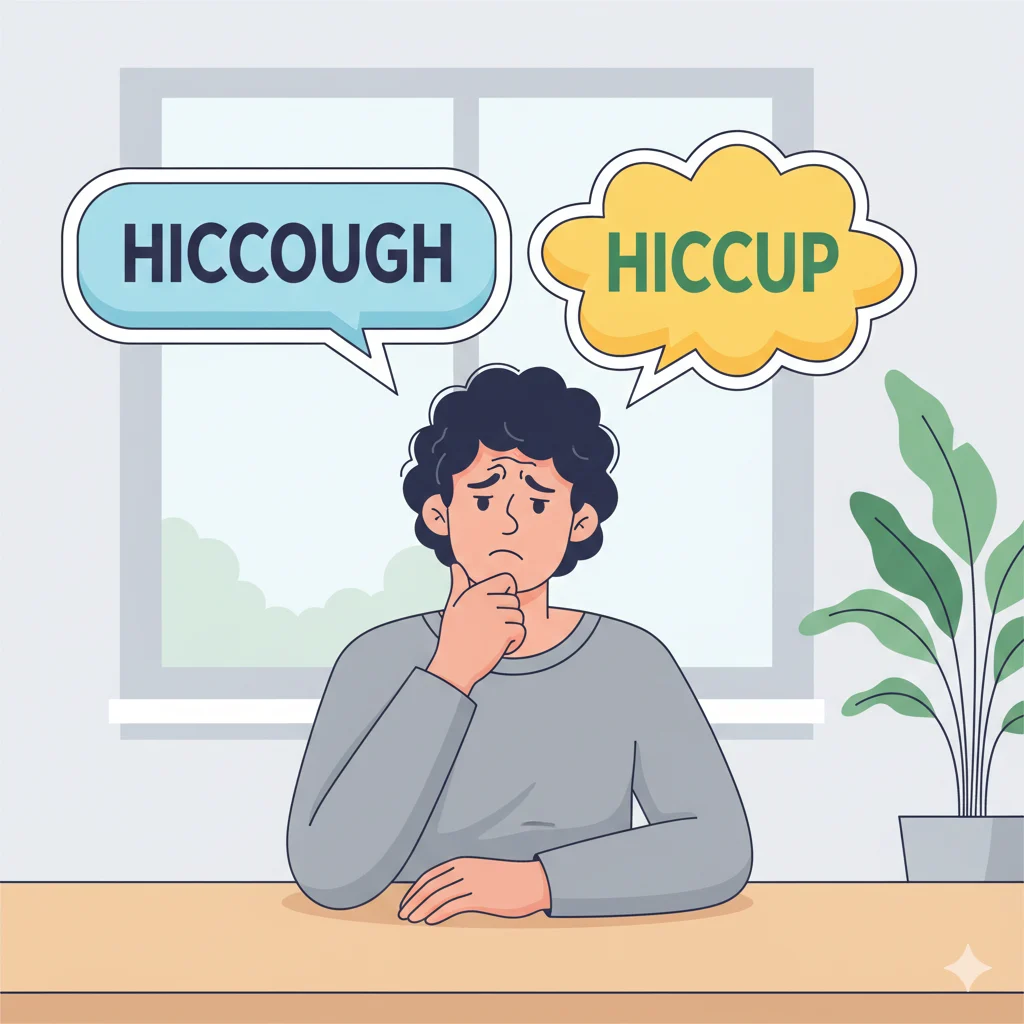
In simple terms, “hiccup” is the modern, widely accepted spelling, while “hiccough” is the older British spelling still recognized in some dictionaries. Both refer to the involuntary diaphragm contraction causing the “hic” sound.
Examples:
- Correct: “I couldn’t sleep because I had the hiccups all night.”
- British alternative (less common today): “I couldn’t sleep because I had a hiccough.”
✅ Key takeaway: Despite the spelling difference, pronunciation is the same: /ˈhɪkʌp/.
Have you ever stopped mid-sentence, puzzled over whether it’s hiccough or hiccup? You’re not alone. Many English learners and even native speakers struggle with this tricky term. The confusion stems from a historical spelling that doesn’t match modern pronunciation. Understanding the difference is more than academic—it affects your writing, communication, and even medical or social advice.
People often ask, “Is it hiccup or hiccough?” or “What do British people call hiccups?” while searching online. Some wonder about pronunciation, while others want to know proper usage in emails, social media, or formal writing. In this article, we’ll unravel the mystery, provide quick answers, explain the origin of the words, compare British vs American spelling, highlight common mistakes, and even offer practical tips on hiccough or hiccup treatment.
By the end, you’ll confidently know which spelling to use, understand why it sounds like “hiccup” even when written hiccough, and see the term used naturally in everyday life. Let’s dive into the fascinating world of this universal, albeit annoying, human reflex.
The Origin of Hiccough
The word hiccough comes from a combination of “hic” (imitating the sound) and “cough”, reflecting its noisy nature. First recorded in the 16th century, it followed the traditional British tendency to retain older spellings.
Interestingly, English often keeps archaic spellings while pronunciation evolves. Hence, we have hiccough pronounced as hiccup, which can seem illogical to learners.
Hiccough etymology highlights this gap:
- 16th century: “hiccough” emerges in British texts.
- 18th–19th century: “hiccup” appears in dictionaries as the simpler, phonetic form.
- Modern usage: “hiccup” dominates, while “hiccough” lingers in UK literature or formal settings.
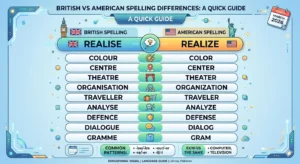
British English vs American English Spelling
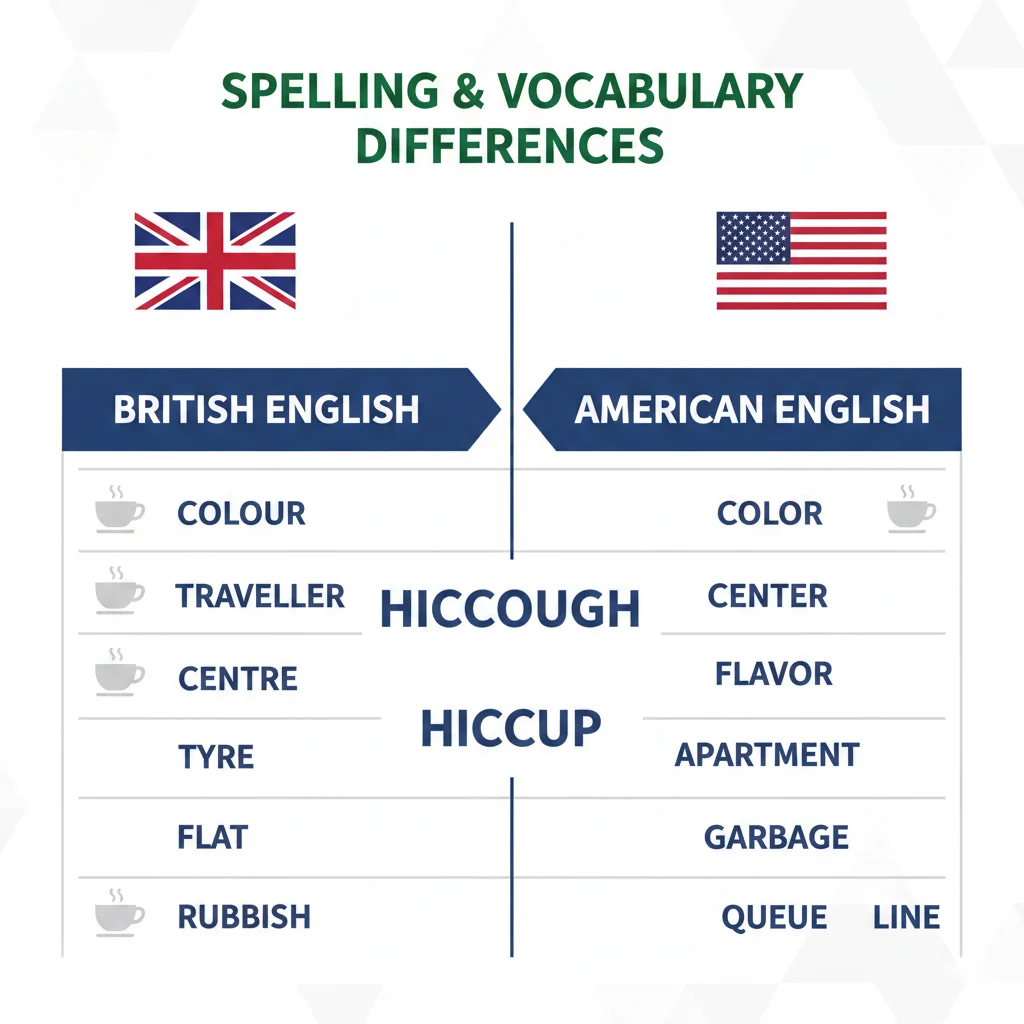
The spelling difference mainly reflects UK vs US conventions. Americans prefer the phonetic hiccup, while British texts historically favored hiccough. Today, most British style guides recommend hiccup, but you may still encounter hiccough in older or formal writings.
| Feature | British English | American English | Notes |
|---|---|---|---|
| Common Spelling | hiccough / hiccup | hiccup | UK allows older form; US favors phonetic |
| Pronunciation | /ˈhɪkʌp/ | /ˈhɪkʌp/ | Same in both |
| Usage | Literature, formal writing | Everyday, medical writing | Hiccough declining |
| Treatment Advice | “How do you stop hiccups?” | “How do you stop hiccups?” | Both use “hiccup” in instructions |
Why this matters: Writers targeting an international audience should favor hiccup to avoid confusion.
Storys vs Stories – The Simple Fix No One Tells You 💡
Which Spelling Should You Use?
Choosing between hiccough or hiccup depends on your audience:
- US readers: Always use hiccup.
- UK/Commonwealth readers: Hiccup is now standard; hiccough is optional in formal/academic texts.
- Global communication: Stick to hiccup for clarity.
💡 Pro tip: In emails, social media, or blogs, hiccup is safer. In historical or literary contexts, hiccough can add British flair.
Common Mistakes with Hiccough vs Hiccup
Even native speakers make mistakes. Here are frequent errors:
- Spelling the word phonetically in British texts: “hicup” – ❌ incorrect
- Confusing singular/plural: “hiccups” is correct; “hiccoughs” is rare but valid in UK English
- Mispronouncing “hiccough” as “hic-coff” – ❌ correct pronunciation: /ˈhɪkʌp/
- Mixing the word with unrelated conditions: Don’t call sneezing or coughing a hiccup.
- Incorrect medical references: Doctors always write hiccup in patient instructions today.
Hiccough vs Hiccup in Everyday Examples

Here’s how the terms appear in different contexts:
Emails:
- “I might be late for the meeting; I have a stubborn hiccup.”
Social Media:
- Tweet: “This hiccup won’t stop! 😂 #funnyhiccup #relatable”
News Headlines:
- “Unexpected hiccup delays train service in London”
Formal Writing:
- British historical text: “He suffered a brief hiccough during the lecture.”
Medical Advice:
- “Hiccough or hiccup treatment includes holding your breath or sipping water slowly.”
Hiccough vs Hiccup – Google Trends & Usage Data
Google Trends shows a clear dominance of “hiccup” worldwide. Searches for “hiccough” spike occasionally in the UK, particularly in historical or literary contexts.
Top Search Questions:
- Is it hiccup or hiccough?
- What do Americans call hiccups?
- What do British people call hiccups?
- Hiccough or hiccup treatment
💡 Insight: Writers, bloggers, and medical content creators should focus on hiccup to reach a global audience.
Somebodies vs Somebody’s: Mastering the Difference with Clear Examples
Hiccough vs Hiccup Comparison Table
| Feature | Hiccough | Hiccup |
|---|---|---|
| Pronunciation | /ˈhɪkʌp/ | /ˈhɪkʌp/ |
| Origin | British 16th-century | Phonetic modern form |
| Region | UK formal or historical | US, global |
| Common Questions | Why is hiccough pronounced hiccup? | How do you stop hiccups? |
| Usage | Rare, literary | Everyday, medical, digital |
FAQs
- Is it hiccup or hiccough?
Both are correct; “hiccup” is preferred today. - What do British people call hiccups?
Historically “hiccough,” but modern British English favors “hiccup.” - What is a hiccough?
An old spelling of hiccup, referring to involuntary diaphragm contractions. - What do Americans call hiccups?
Always hiccup. - Hiccough pronunciation – how?
Despite spelling, it’s pronounced /ˈhɪkʌp/. - Hiccough or hiccup treatment – what works?
Common remedies: hold your breath, drink water slowly, or sugar swallowing. - Hiccups vs kicks – are they the same?
Hiccups are diaphragm spasms; fetal kicks in pregnancy are different.
Conclusion
The confusion between hiccough vs hiccup is a fascinating example of English evolution. Hiccough, with its historical roots, reflects the older British spelling, while hiccup is the modern, phonetic form recognized globally. Understanding the difference helps you write accurately for both UK and US audiences, whether in emails, social media, literature, or medical contexts.
Key takeaways:
- Use hiccup for international clarity.
- Hiccough is acceptable in UK formal writing or historical texts.
- Pronunciation remains the same: /ˈhɪkʌp/.
- Avoid common errors like “hicup” or mispronunciations.
- Include the term naturally in writing for professional or casual communication.
Next time someone asks, “Is it hiccup or hiccough?” you can confidently explain the difference, provide usage examples, and even share simple remedies for persistent hiccups. With this knowledge, you’re now equipped to tackle this quirky linguistic hiccup with ease!

Tessa Hadley, a reflective voice at SimileHub.com, transforms everyday moments into vivid imagery, guiding writers to create powerful, expressive comparisons.