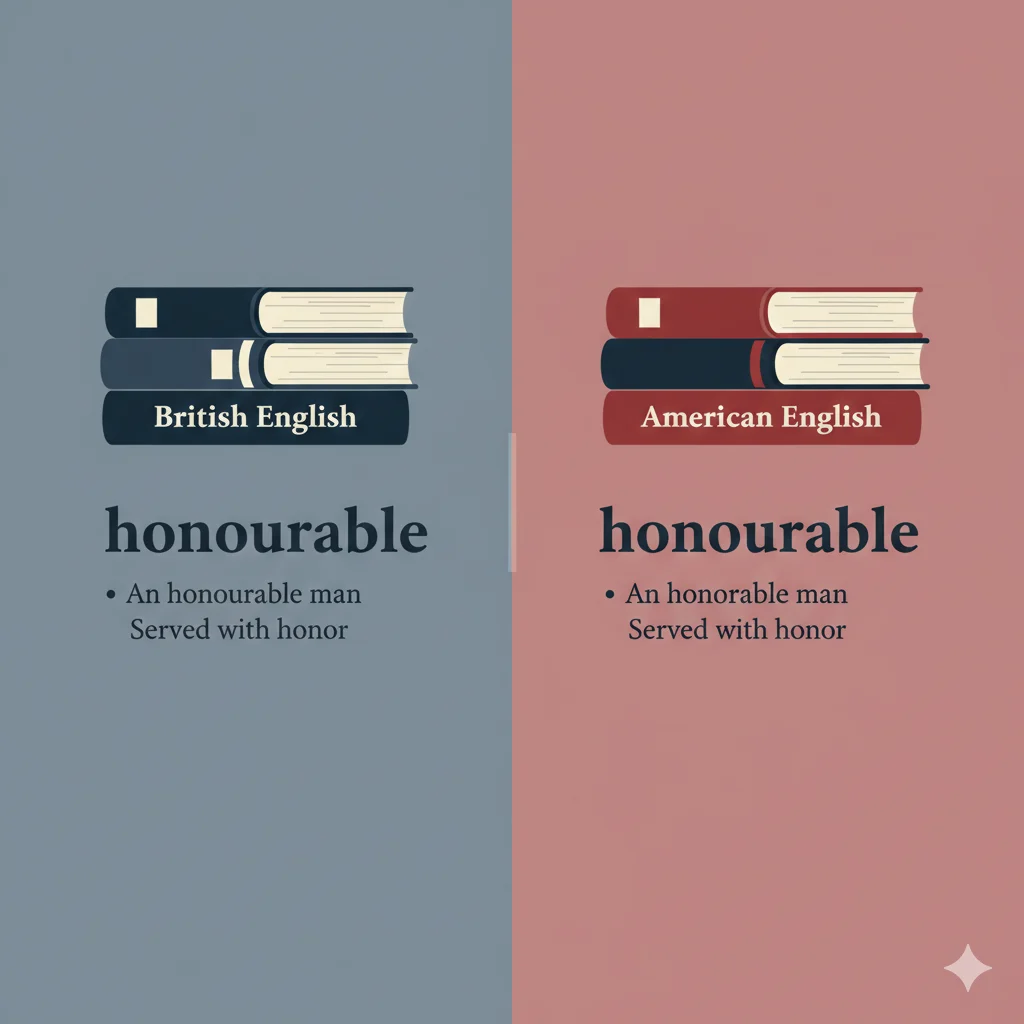
Honourable and honorable have the same meaning. The difference is spelling, not meaning.
- Honourable is British English.
Example: She received an honourable mention for her work. - Honorable is American English.
Example: He is an honorable judge respected by all.
So, which one is correct, honourable or honorable? Both are correct. The right choice depends on the type of English you are using.
Many English learners and even native writers feel confused when they see honourable vs honorable used in different places. One website spells it with a “u”, while another drops it. Both look correct, so which one should you trust? This confusion often appears in essays, emails, official titles, and formal writing.
People search for which one is correct, honourable or honorable because they want to avoid mistakes that look unprofessional. The issue is not about meaning. It is about English spelling systems. British and American English follow different rules, and this keyword helps writers understand those rules clearly.
This article solves that confusion with simple explanations, real-life examples, tables, and clear advice. By the end, you will know when to use honourable, when honorable is right, and how to choose the correct spelling for your audience with confidence.
The Origin of Honourable vs Honorable
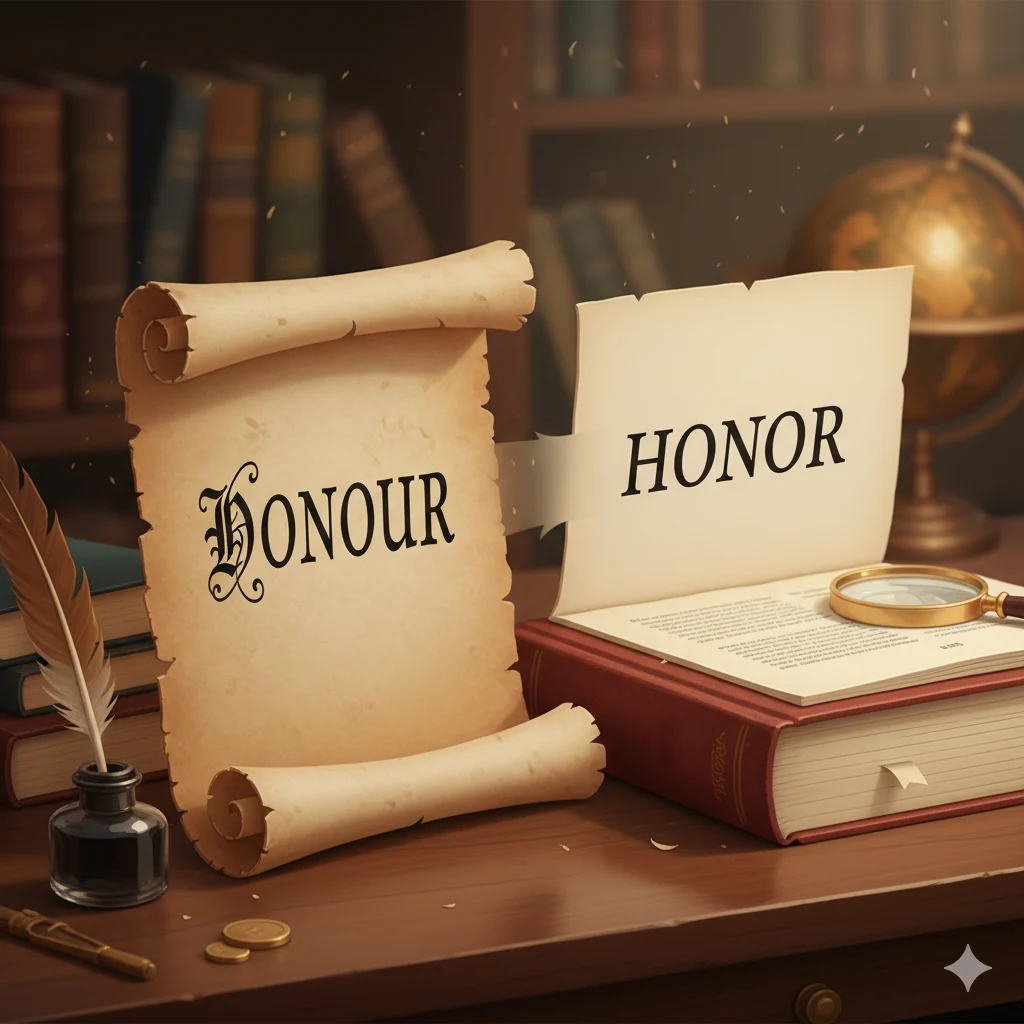
The word comes from the Latin word “honor”, meaning respect, dignity, or high moral value. When English developed, it borrowed many words from French. Early British English kept French-style spellings, including the “ou” in words like honour, colour, and favour.
Later, American English spelling changed. In the 1800s, Noah Webster simplified spellings to make English easier. He removed silent letters. That is why American English uses honor instead of honour, and honorable instead of honourable.
So the spelling difference exists because of history and reform, not meaning or grammar.
British English vs American English Spelling
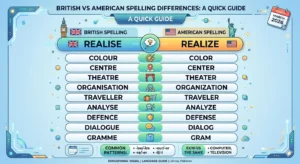
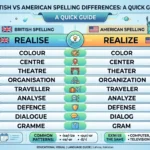
British and American English follow clear spelling patterns. The “ou” vs “o” rule appears in many words.
Key Rule
- British English keeps ou
- American English removes u
Comparison Table
| British English | American English |
|---|---|
| honourable | honorable |
| honour | honor |
| colour | color |
| favour | favor |
| neighbour | neighbor |
Understanding this rule helps you avoid confusion in essays and professional writing.
Laid vs Lain: Learn the Rule in 60 Seconds ⏱️
Which Spelling Should You Use?
The correct spelling depends on your audience.
Use honourable if:
- You write for the UK
- You write for Pakistan, India, Australia, Canada, or other Commonwealth countries
- You write academic or legal content following British standards
Use honorable if:
- You write for the United States
- You follow American English style guides
- You write US legal or government content
Global Tip
If your audience is international, choose one spelling and stay consistent throughout your content.
Common Mistakes with Honourable vs Honorable
Many writers make simple errors with this word.
Mistake 1: Mixing spellings
❌ honourable behavior and honor system
✅ honourable behavior and honour system
Mistake 2: Thinking one spelling is wrong
Both spellings are correct. The difference is regional.
Mistake 3: Using the wrong spelling for titles
American titles always use The Honorable, not The Honourable.
Honourable vs Honorable in Everyday Examples
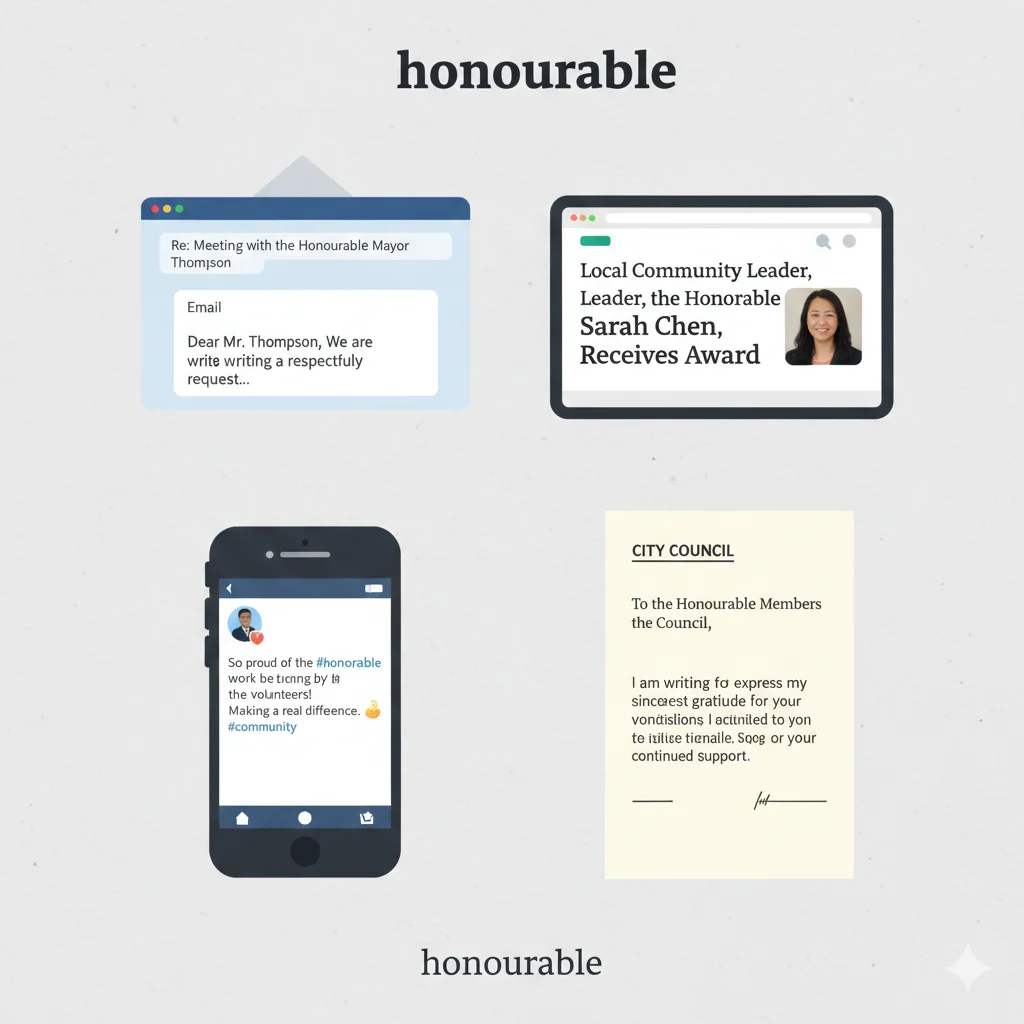
Emails
- Dear Honourable Sir, (UK, Pakistan)
- Dear Honorable Judge, (USA)
News
- The honourable member addressed Parliament.
- The honorable senator proposed a bill.
Social Media
- She is an honorable person who helps others.
- Respect to this honourable teacher.
Formal Writing
- This honourable act deserves recognition.
- He lived an honorable life of service.
Honourable vs Honorable – Google Trends & Usage Data
Search data shows clear regional patterns.
- Honourable is searched more in the UK, Pakistan, India, Australia, and South Africa.
- Honorable is dominant in the United States.
- Global searches increase during:
- Essay writing seasons
- Legal research
- English exams
People often search honourable vs honorable meaning to confirm spelling before publishing content.
Boss’s vs Bosses: The Fastest Way to Never Get It Wrong Again ✅
Comparison Table: Honourable vs Honorable
| Feature | Honourable | Honorable |
|---|---|---|
| English Type | British | American |
| Meaning | Moral, respected | Moral, respected |
| Used in Titles | UK/Commonwealth | United States |
| Essay Usage | British essays | American essays |
| Short Form | Hon. | Hon. |
FAQs
Which one is correct, honourable or honorable?
Both are correct. The difference depends on British or American English.
When should I use honourable?
Use it when writing for the UK or Commonwealth countries.
What is the difference between honorable and honorable?
There is no meaning difference. Only spelling changes.
What does Hon ble meaning refer to?
It is an abbreviation of honourable or honorable, often written as Hon.
What is the Honorable title used for?
It is used for judges, ministers, ambassadors, and high officials.
What is an honourable synonym?
Respectable, ethical, noble, and dignified.
What is an honorable person?
A person who acts with honesty, fairness, and strong moral values.
Conclusion
Understanding honourable vs honorable is simple once you know the spelling rules. Both words mean the same thing. They describe respect, integrity, and moral character. The difference exists because British and American English follow different spelling systems. British English keeps the “u”, while American English removes it. When writing an honourable vs honorable essay, your audience matters more than personal preference. Use honourable for UK and Commonwealth readers, and honorable for American readers. Titles like The Honorable follow strict regional rules, especially in legal and government writing. Always stay consistent within one document. This small spelling choice improves clarity, professionalism, and trust. Once you understand the pattern, you will never feel confused again.

Ali Smith, a passionate language artist at SimileHub.com, turns simple words into vivid imagery, helping writers express emotions with beauty and clarity.