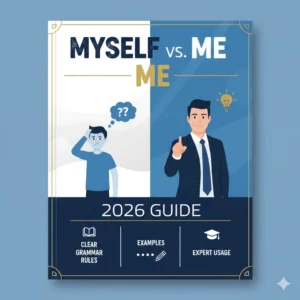
Do you ever pause before writing: “Please contact John or myself”? It sounds formal. But is it correct? The confusion around myself vs me is one of the most searched grammar topics today. People ask: Myself vs me meaning, What is the difference between me and myself?, and When to use I or me or myself examples? Even native speakers hesitate in emails, reports, and interviews.
Here is the problem: many people use “myself” to sound professional. Others mix up myself vs me grammar because they do not know when to use a reflexive pronoun. On forums like Myself vs me reddit, users debate the rule daily. The truth is simple, but it must be applied correctly.
This 2026 complete guide gives you a quick answer first. Then you get the origin, clear rules, mistake fixes, usage tables, SEO-friendly examples, and expert advice. By the end, you will fully understand the correct use of myself vs me, including when to use myself vs me or I in any sentence.
Myself vs Me


4
Direct Rule
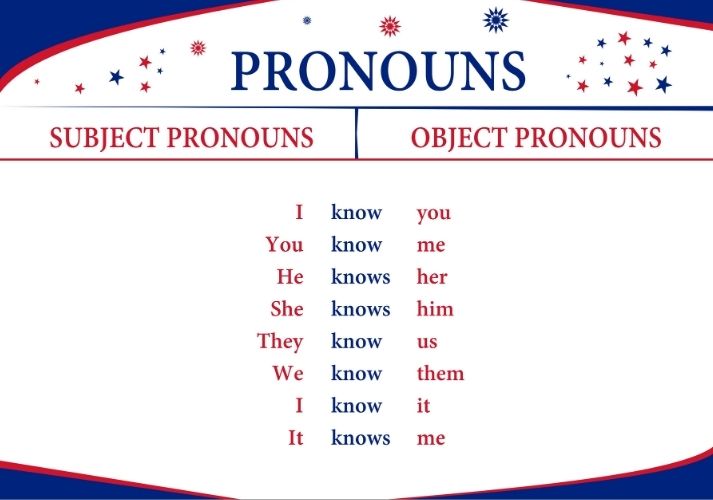
- Me = object pronoun
- Myself = reflexive pronoun
Use “Me” When:
It receives the action.
✔ She called me.
✔ Please email me.
✔ The manager spoke to John and me.
Use “Myself” When:
The subject and object are the same.
✔ I taught myself coding.
✔ I blamed myself.
✔ I completed the task myself.
Fast Grammar Test
Remove the other name.
❌ Please contact John or myself.
→ Please contact myself. (Wrong)
✔ Please contact John or me.
→ Please contact me. (Correct)
That is the proper use of myself vs me.
The Origin of Myself vs Me
The word “me” comes from Old English mec. It has always been an object pronoun.
The word “myself” is a reflexive pronoun. It combines:
- My (possessive form of I)
- Self (one’s own person)
Originally, reflexive pronouns were used only when action returned to the subject:
“I hurt myself.”
Over time, people began using “myself” in formal speech. That is why many ask:
Why do people use myself instead of me?
Answer: Because it sounds polite or professional. But grammar rules matter more than style.
British English vs American English Spelling
4
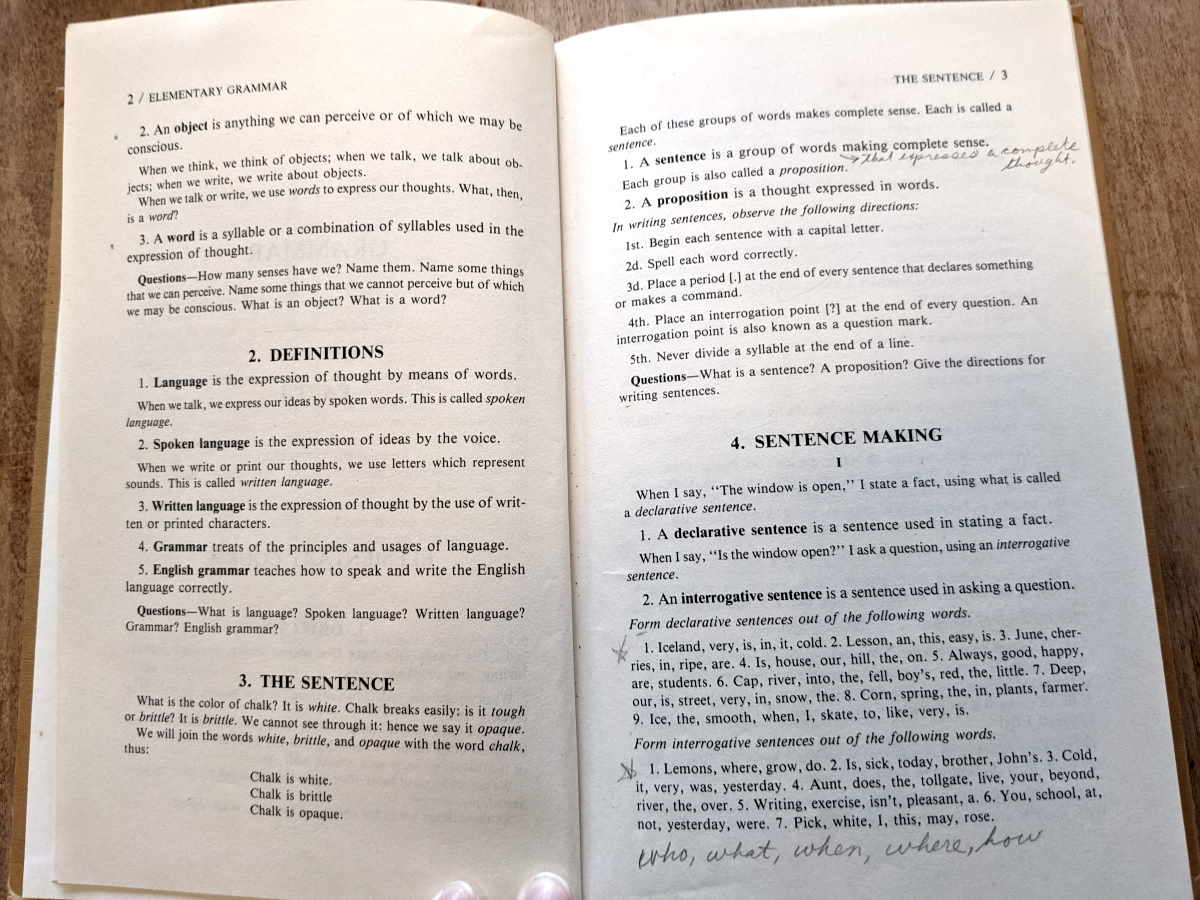
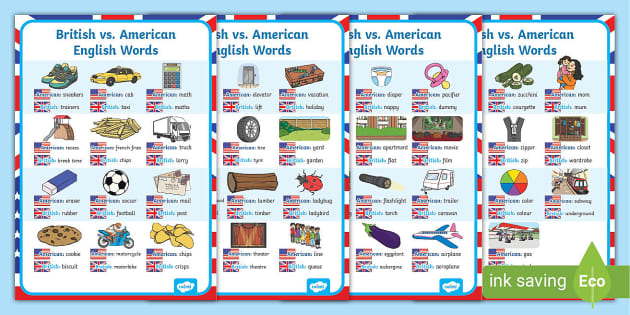
There is no spelling difference between British and American English for myself vs me.
| Word | US English | UK English | Type |
|---|---|---|---|
| I | I | I | Subject |
| Me | Me | Me | Object |
| Myself | Myself | Myself | Reflexive |
So the issue is not spelling. It is usage.
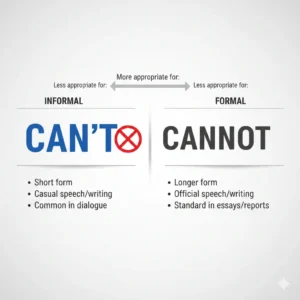
Can’t vs Cannot: The Real Difference Explained
Which Form Should You Use? (Audience-Based Advice)
Many ask: When do you use myself vs me?
Here is the simple formula:
Step 1: Is it the subject?
Use I.
✔ John and I went home.
Step 2: Is it the object?
Use me.
✔ She invited John and me.
Step 3: Is the action returning to you?
Use myself.
✔ I prepared myself.
For US Business Writing
Avoid “Please contact myself.” Use “Please contact me.”
For UK / Commonwealth
Same rule. Grammar standards are identical.
For Global SEO Content
Using myself vs me correctly improves clarity, authority, and EEAT signals. Clear grammar builds trust.
Common Mistakes with Myself vs Me
4
1. Over-Formal Writing
❌ This report was created by Sarah and myself.
✔ This report was created by Sarah and me.
2. After Prepositions
After words like to, from, with, for — use me.
❌ The gift is from John and myself.
✔ The gift is from John and me.
3. Myself vs Me vs I Confusion
This is common in i vs myself vs me questions.
✔ John and I completed it.
✔ She called John and me.
✔ I rewarded myself.
4. John and Me or John and Myself?
Correct answer:
- Subject → John and I
- Object → John and me
Never “John and myself” unless reflexive.
Myself vs Me Usage – Step-by-Step Grammar Framework
This section answers: using myself vs me correctly
Rule Pattern:
Subject + Verb + Object = Use “me”
Subject + Verb + Same Subject = Use “myself”
Examples:
✔ She thanked me.
✔ I thanked myself.
This simple structure solves most myself vs me grammar problems.
Myself vs Me in a Sentence – Real Examples


Email Example
Correct:
“If you have questions, contact me.”
Wrong:
“If you have questions, contact myself.”
Social Media Example
Wrong:
“Me and myself are proud.”
Correct:
“I am proud of myself.”
News Example
“The prize was given to me.”
“She introduced herself.”
Motivational Quote
“What is the best version of myself?”
Correct — because it reflects back to “I.”
Google Trends & Usage Data
High-search queries include:
- myself vs me meaning
- myself vs me grammar
- myself vs me examples
- when to use myself vs me in a sentence
- use of myself vs me
- correct use of myself vs me
- myself vs me usage
- when to use myself vs me or i
These searches are strongest in:
- United States
- India
- UK
- Pakistan
- Philippines
Search intent falls into three groups:
- Students learning grammar
- Professionals writing emails
- Native speakers double-checking usage
Grammar clarity improves readability score, SEO performance, and audience trust.
Comparison Table – Myself vs Me vs I
| Word | Function | Example |
|---|---|---|
| I | Subject | I wrote it. |
| Me | Object | She called me. |
| Myself | Reflexive | I hurt myself. |
This solves when to use myself vs me in a sentence clearly.
FAQs
1. What is the difference between me and myself?
“Me” receives action. “Myself” reflects action back to the subject.
2. When do you use myself vs me?
Use “me” as object. Use “myself” only if subject and object are the same.
3. Please contact me or myself?
Correct: Please contact me.
4. Myself vs me grammar girl explanation?
Grammar experts explain that reflexive pronouns must reflect back to the subject. Do not use them for formality.
5. When to use myself vs me or I?
Use I as subject, me as object, myself for reflexive action.
6. Why do people use myself instead of me?
To sound professional, but it is often incorrect.
7. Myself vs me reddit debates – who is right?
Grammar experts agree: follow standard pronoun rules.
Conclusion
The confusion around myself vs me disappears when you understand one core rule:
- I = subject
- Me = object
- Myself = reflexive
Most errors happen in formal writing. People replace “me” with “myself” to sound polished. But correct grammar builds real authority.
If you feel unsure, remove other names from the sentence. If “me” works alone, use “me.” If the action comes back to you, use “myself.”
Now you understand the correct use of myself vs me, including examples, grammar logic, professional advice, and usage trends. Apply these rules in emails, academic writing, business communication, and everyday speech with full confidence.

Tessa Hadley, a reflective voice at SimileHub.com, transforms everyday moments into vivid imagery, guiding writers to create powerful, expressive comparisons.