“Me” is used as an object, while “myself” is used when the subject and object are the same person or for emphasis. Knowing this simple difference helps you avoid a common English grammar mistake.
Myself vs Me can be confusing, especially when both words seem to refer to the same person. But using the wrong one can make an otherwise clear sentence sound unnatural or grammatically incorrect. The good news? Once you understand one simple rule, the difference becomes much easier to remember.
Use “me” when someone or something receives an action: “She called me,” “They invited me,” or “He gave me the book.” Use “myself” when the action comes back to the person who performs it, as in “I introduced myself” or “I blamed myself.” You can also use “myself” to emphasize the subject: “I myself completed the project.”
One of the most common mistakes is using “myself” simply because it sounds more formal. For example, “Please contact myself” is incorrect in standard English; “Please contact me” is the natural choice. This small difference can make a big impact on the clarity and professionalism of your writing.
So, myself vs me—which one should you use? It depends on the role the word plays in the sentence. In this guide, you’ll discover the easiest rules, clear examples, common mistakes, and simple memory tricks to help you choose me or myself confidently every time. By the end, this confusing pair will feel surprisingly simple.
Myself vs Me


4
Direct Rule
- Me = object pronoun
- Myself = reflexive pronoun
Use “Me” When:
It receives the action.
✔ She called me.
✔ Please email me.
✔ The manager spoke to John and me.
Use “Myself” When:
The subject and object are the same.
✔ I taught myself coding.
✔ I blamed myself.
✔ I completed the task myself.
Fast Grammar Test
Remove the other name.
❌ Please contact John or myself.
→ Please contact myself. (Wrong)
✔ Please contact John or me.
→ Please contact me. (Correct)
That is the proper use of myself vs me.
The Origin of Myself vs Me
The word “me” comes from Old English mec. It has always been an object pronoun.
The word “myself” is a reflexive pronoun. It combines:
- My (possessive form of I)
- Self (one’s own person)
Originally, reflexive pronouns were used only when action returned to the subject:
“I hurt myself.”
Over time, people began using “myself” in formal speech. That is why many ask:
Why do people use myself instead of me?
Answer: Because it sounds polite or professional. But grammar rules matter more than style.
British English vs American English Spelling
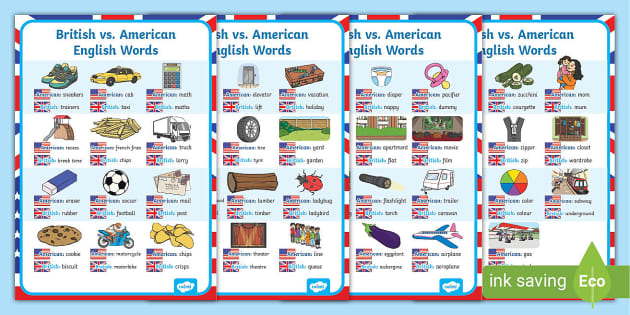
There is no spelling difference between British and American English for myself vs me.
| Word | US English | UK English | Type |
|---|---|---|---|
| I | I | I | Subject |
| Me | Me | Me | Object |
| Myself | Myself | Myself | Reflexive |
So the issue is not spelling. It is usage.
Can’t vs Cannot: The Real Difference Explained
Which Form Should You Use? (Audience-Based Advice)
Many ask: When do you use myself vs me?
Here is the simple formula:
Step 1: Is it the subject?
Use I.
✔ John and I went home.
Step 2: Is it the object?
Use me.
✔ She invited John and me.
Step 3: Is the action returning to you?
Use myself.
✔ I prepared myself.
For US Business Writing
Avoid “Please contact myself.” Use “Please contact me.”
For UK / Commonwealth
Same rule. Grammar standards are identical.
For Global SEO Content
Using myself vs me correctly improves clarity, authority, and EEAT signals. Clear grammar builds trust.
Common Mistakes with Myself vs Me
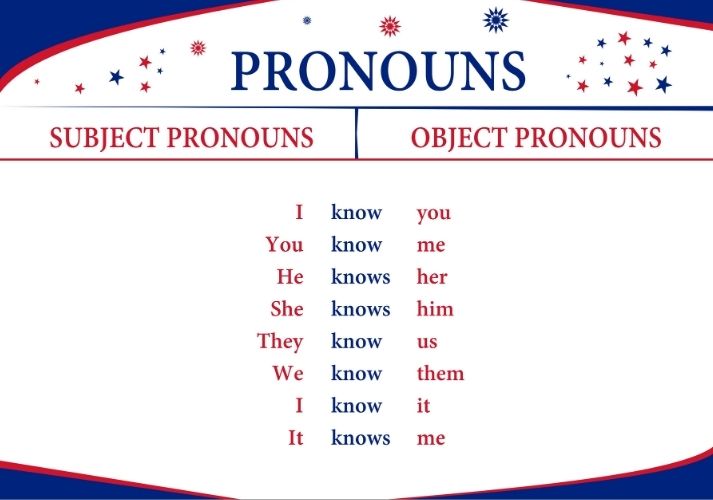
4
1. Over-Formal Writing
❌ This report was created by Sarah and myself.
✔ This report was created by Sarah and me.
2. After Prepositions
After words like to, from, with, for — use me.
❌ The gift is from John and myself.
✔ The gift is from John and me.
3. Myself vs Me vs I Confusion
This is common in i vs myself vs me questions.
✔ John and I completed it.
✔ She called John and me.
✔ I rewarded myself.
4. John and Me or John and Myself?
Correct answer:
- Subject → John and I
- Object → John and me
Never “John and myself” unless reflexive.
Myself vs Me Usage – Step-by-Step Grammar Framework
This section answers: using myself vs me correctly
Rule Pattern:
Subject + Verb + Object = Use “me”
Subject + Verb + Same Subject = Use “myself”
Examples:
✔ She thanked me.
✔ I thanked myself.
This simple structure solves most myself vs me grammar problems.
Myself vs Me in a Sentence – Real Examples

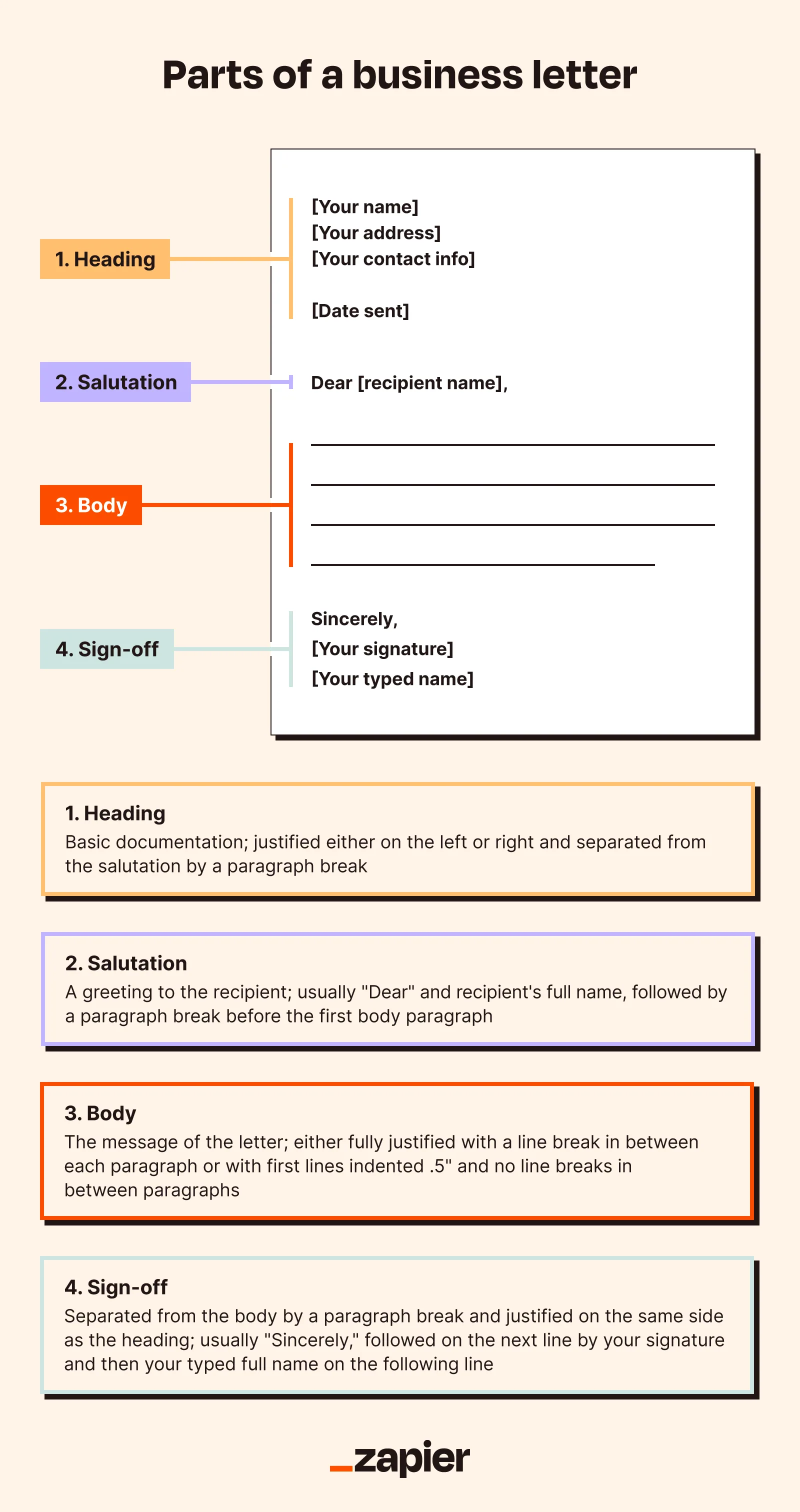

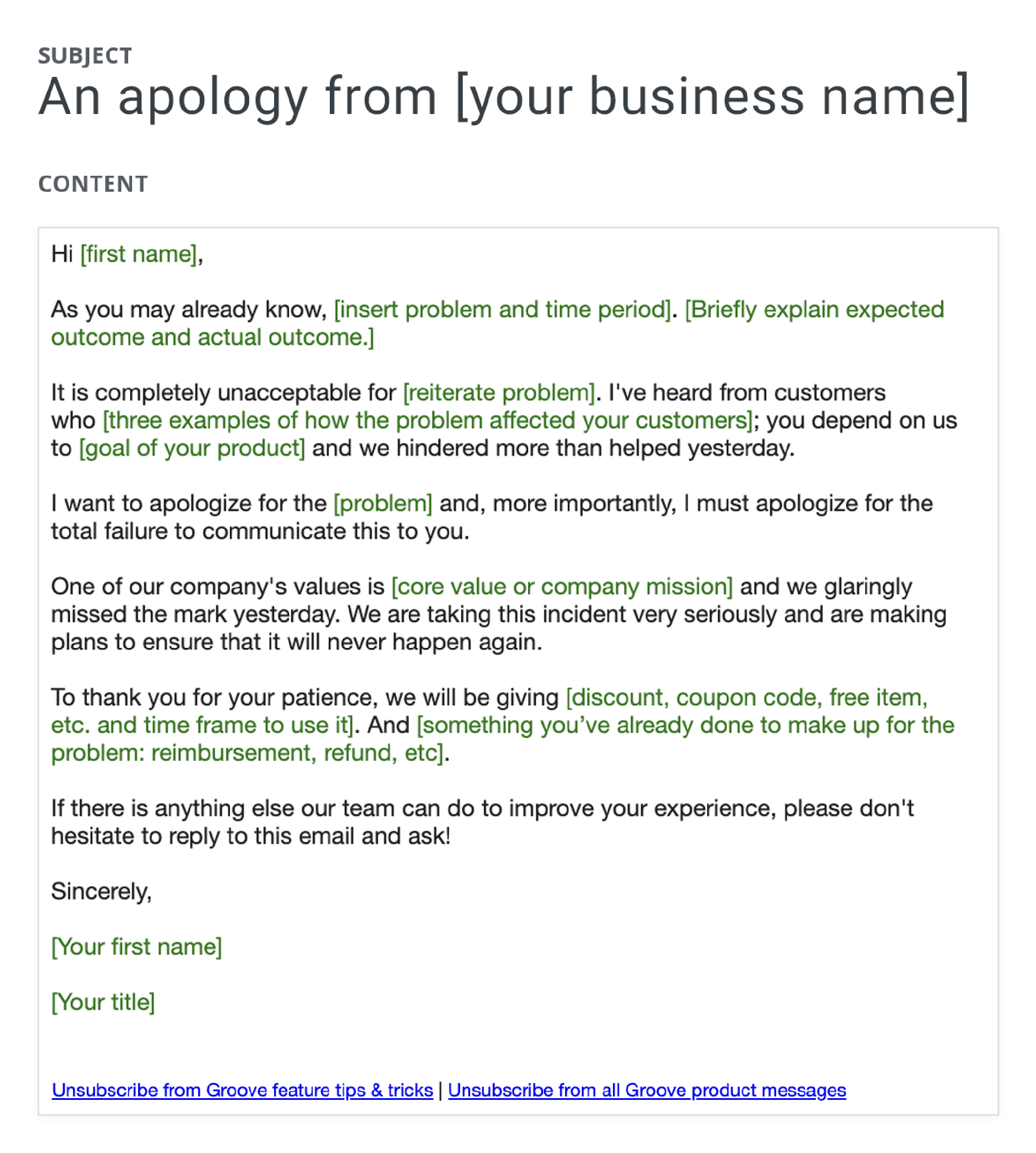
Email Example
Correct:
“If you have questions, contact me.”
Wrong:
“If you have questions, contact myself.”
Social Media Example
Wrong:
“Me and myself are proud.”
Correct:
“I am proud of myself.”
News Example
“The prize was given to me.”
“She introduced herself.”
Motivational Quote
“What is the best version of myself?”
Correct — because it reflects back to “I.”
Google Trends & Usage Data
High-search queries include:
- myself vs me meaning
- myself vs me grammar
- myself vs me examples
- when to use myself vs me in a sentence
- use of myself vs me
- correct use of myself vs me
- myself vs me usage
- when to use myself vs me or i
These searches are strongest in:
- United States
- India
- UK
- Pakistan
- Philippines
Search intent falls into three groups:
- Students learning grammar
- Professionals writing emails
- Native speakers double-checking usage
Grammar clarity improves readability score, SEO performance, and audience trust.
Comparison Table – Myself vs Me vs I
| Word | Function | Example |
|---|---|---|
| I | Subject | I wrote it. |
| Me | Object | She called me. |
| Myself | Reflexive | I hurt myself. |
This solves when to use myself vs me in a sentence clearly.
FAQs
1. What is the difference between me and myself?
“Me” receives action. “Myself” reflects action back to the subject.
2. When do you use myself vs me?
Use “me” as object. Use “myself” only if subject and object are the same.
3. Please contact me or myself?
Correct: Please contact me.
4. Myself vs me grammar girl explanation?
Grammar experts explain that reflexive pronouns must reflect back to the subject. Do not use them for formality.
5. When to use myself vs me or I?
Use I as subject, me as object, myself for reflexive action.
6. Why do people use myself instead of me?
To sound professional, but it is often incorrect.
7. Myself vs me reddit debates – who is right?
Grammar experts agree: follow standard pronoun rules.
Conclusion
The confusion around myself vs me disappears when you understand one core rule:
- I = subject
- Me = object
- Myself = reflexive
Most errors happen in formal writing. People replace “me” with “myself” to sound polished. But correct grammar builds real authority.
If you feel unsure, remove other names from the sentence. If “me” works alone, use “me.” If the action comes back to you, use “myself.”
Now you understand the correct use of myself vs me, including examples, grammar logic, professional advice, and usage trends. Apply these rules in emails, academic writing, business communication, and everyday speech with full confidence.

Tessa Hadley, a reflective voice at SimileHub.com, transforms everyday moments into vivid imagery, guiding writers to create powerful, expressive comparisons.