The correct plural of story is stories, not storys.
When a noun ends in a consonant + y, we drop the y and add ies.
Examples:
- One story → Two stories
- She wrote three stories.
- The building has five stories.
So if you ask, how to spell stories, the answer is simple: S-T-O-R-I-E-S.
You type a sentence fast. Then you stop. Is it storys or stories? This small spelling doubt confuses many people every day. Students, writers, bloggers, and social media users often search this because English plural rules can feel tricky.
One tiny letter change can make your writing look wrong. That is why people ask: what is the plural for story? Is it spelled story or stories? Is it correct to say stories? These questions come up in schoolwork, emails, captions, and even news writing.
The confusion usually happens when words end in y. Do we add s or change the word? This guide solves the problem in simple steps. By the end, you will know the correct form, see real storys vs stories examples, understand grammar rules, and feel confident using the word anywhere.
The Origin of Storys vs Stories

The word story comes from Latin historia, meaning a tale or account. Over time, English changed the spelling and pronunciation. The plural rule developed later as English grammar became more fixed.
Long ago, English did not always follow strict spelling patterns. But modern English uses clear rules for words ending in y. When a consonant comes before y, the plural changes to ies. This rule helps with reading and sound flow. Saying storys feels hard to pronounce. Stories sounds smooth and natural.
This spelling difference is not about meaning. It is about grammar patterns. That is why storys vs stories grammar questions are common. Learners see y at the end and feel unsure. But the history shows that stories follows normal English word-building rules.
British English vs American English Spelling
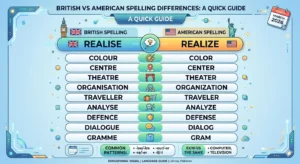
Good news: both British and American English use stories. There is no difference here.
However, confusion happens with story vs storey pronunciation. In British English, storey can mean a level of a building. In American English, both meanings use story.
| Word | American English | British English | Meaning |
|---|---|---|---|
| story | story | story | tale or narrative |
| stories | stories | stories | plural of story |
| storey | rarely used | storey | building level |
| storeys | rare | storeys | plural building levels |
This leads to the storey vs floor confusion. In British usage, a building may have three storeys, but Americans say three stories.
Taping vs Tapping: The Truth That Shocks Writers ✍️
Which Spelling Should You Use?
Always use stories as the plural of story.
Use it in:
- School writing
- Blogs
- News
- Social media
- Professional emails
If your audience is global, stories is still correct. No region prefers storys. That spelling is a mistake.
Use storey only when writing British English and talking about building levels. If unsure, use floor instead.
Common Mistakes with Storys vs Stories
Many learners make small errors. Let’s fix them.
| Wrong | Correct | Why |
|---|---|---|
| storys | stories | y → ies rule |
| 3 storie | 3 stories | plural must end in ies |
| story’s | story’s (possessive) | means “belonging to story” |
| stories’ | stories’ (possessive plural) | belonging to many stories |
People also confuse story’s or stories Instagram captions. Remember:
- story’s = something of one story
- stories = plural
Example:
- Correct: I posted two stories today.
- Correct: The story’s ending was sad.
Storys vs Stories in Everyday Examples

Emails:
I shared the stories with the team.
News:
The reporter covered local stories.
Social Media:
She posts travel stories every week.
Formal Writing:
These stories show cultural history.
You will never see storys in professional writing.
Storys vs Stories – Google Trends & Usage Data
Search patterns show that many people type storys vs stories grammar when learning English. Students, bloggers, and job applicants want correct spelling. The word stories appears far more in books, websites, and news.
The confusion increases during exam seasons. Teachers often give storys vs stories exercises to help students practice plural rules. The mistake happens because people try to add just s, which works for many nouns but not words ending in consonant + y.
english vs English – The Tiny Detail Most Miss ❗
Keyword Variations Comparison
| Question | Correct Answer |
|---|---|
| What is the plural for story | stories |
| Is it spelled story or stories | story (singular), stories (plural) |
| Is it correct to say stories | yes |
| Is it 3 stories or 3 storie | 3 stories |
| Storys vs stories grammar | stories is correct |
| How to spell stories | s-t-o-r-i-e-s |
FAQs
1. What is the plural for story?
The plural is stories.
2. Is storys ever correct?
No, it is a spelling error.
3. Why does story change to stories?
Because of the consonant + y rule.
4. How do I remember the rule?
If a word ends in a consonant and y, change y to ies.
5. What about story’s?
That shows possession, not plural.
6. Do Americans and British spell it differently?
No, both use stories.
7. What is storey plural?
Storeys, used in British English for building levels.
Conclusion
The difference between storys vs stories is simple once you know the rule. English nouns that end in a consonant plus y change the y to ies in the plural form. That is why stories is correct and storys is wrong. This rule helps your writing look clear and professional. It works in school, business, and online posts. Remember that story’s shows ownership, not plural. Also know the difference between story and storey if you talk about buildings. Many learners search for storys vs stories examples, exercises, and grammar help because they want to avoid mistakes. Now you have the answer, examples, and rules in one place. Keep this pattern in mind, and your spelling will stay strong and confident in every story you write.

Nina Allan, a visionary storyteller at SimileHub.com, explores emotion through vivid imagery, helping readers unlock deeper creative expression through language.