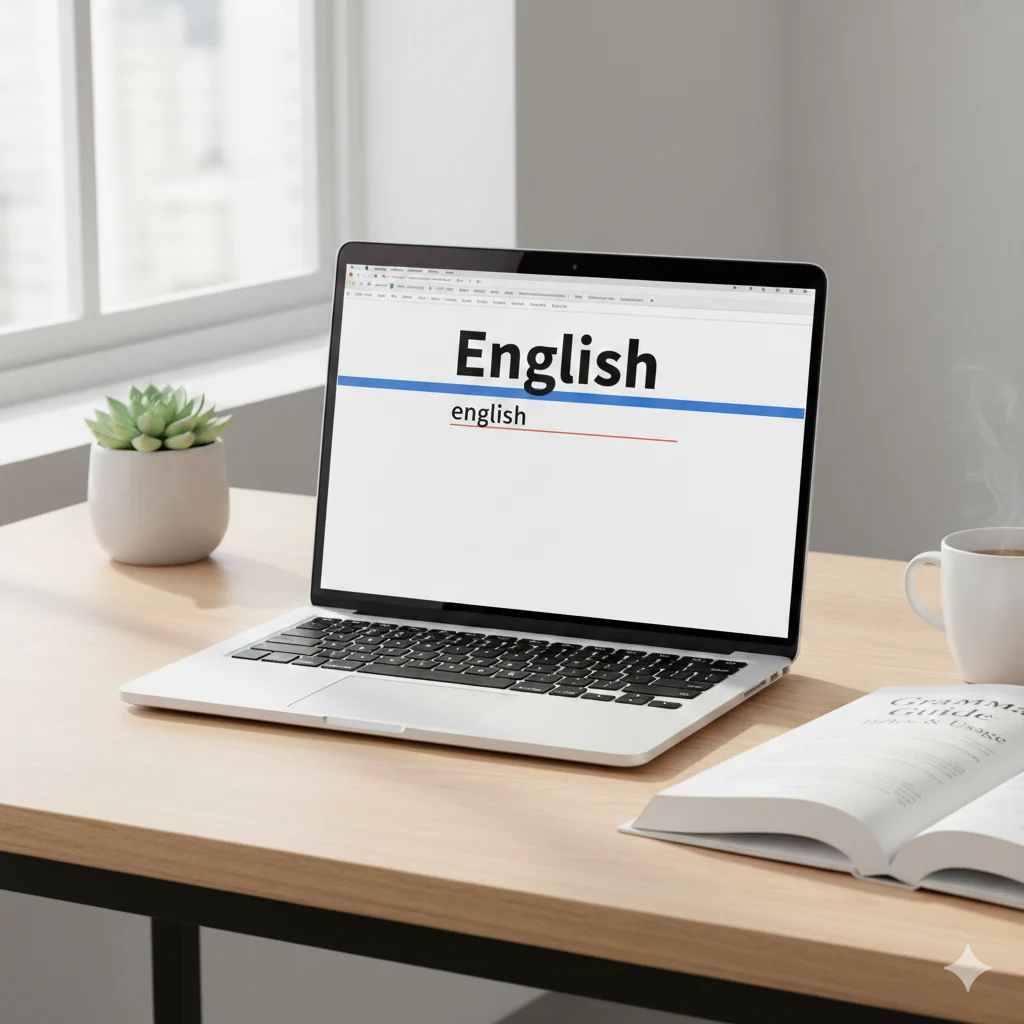
English is correct when referring to the language, while english is normally incorrect because names of languages are capitalized in standard English writing.
English vs English may look like a tiny difference, but that capital E actually matters. If you’ve ever wondered whether you should write English or english, the answer is simple: use English when you mean the language. The lowercase form english is not standard when it refers to the English language.
For example, write “I speak English,” not “I speak english.” The same rule applies to sentences such as “She is learning English” and “This article is written in English.” The reason is straightforward: English is the name of a language, so it is treated as a proper noun and begins with a capital letter.
But is english always wrong? Not necessarily. In standard writing, it should be capitalized when referring to the language or something associated with England or English culture. Lowercase english may appear in informal writing, typing errors, or contexts where the word is being used for a different grammatical purpose, but it should not replace English when naming the language.
This simple capitalization rule can save you from one of the most common writing mistakes. Once you remember that language names are capitalized, choosing between english vs English becomes effortless.
In this guide, you’ll discover the exact difference between english vs English, why English needs a capital letter, when lowercase english may appear, common mistakes to avoid, and clear examples that make the rule easy to remember. By the end, you’ll know exactly which form to use—and why.
english or english capital letter
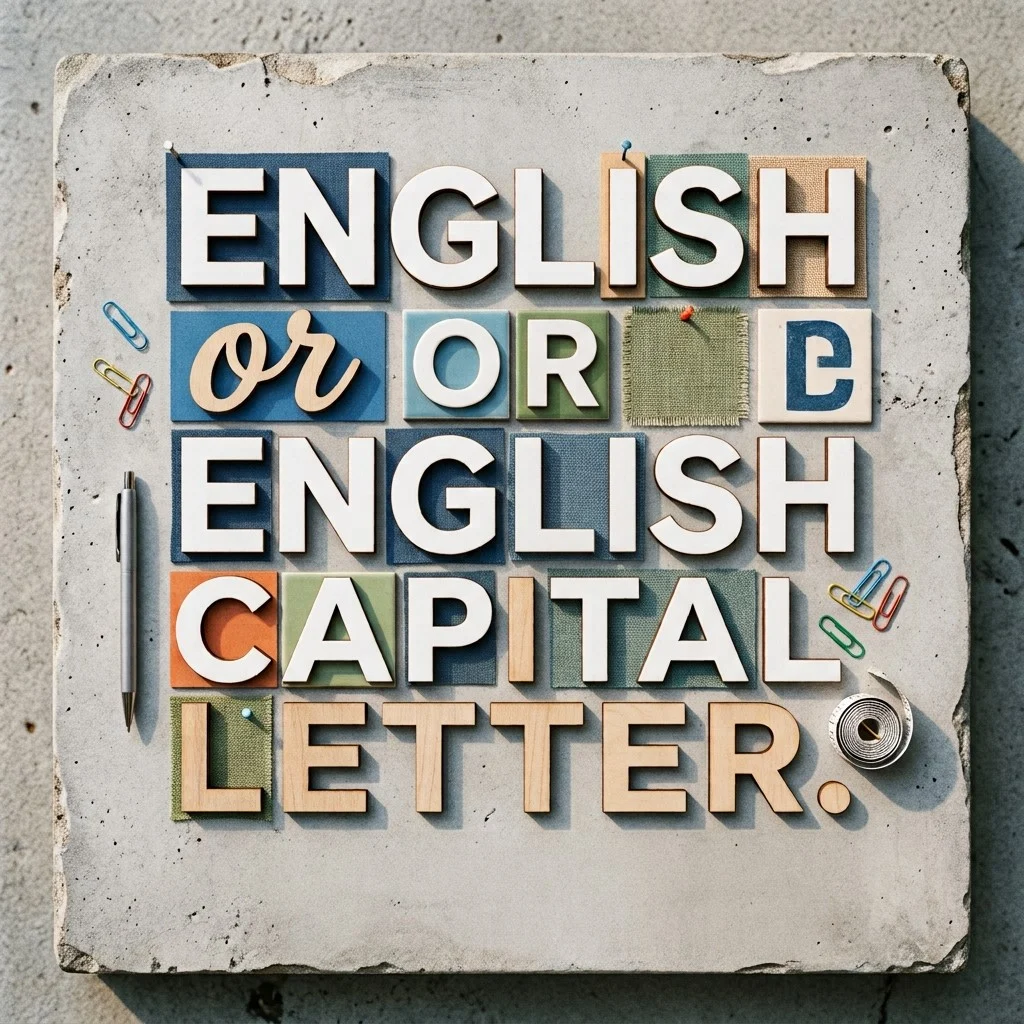
English – with a capital E.
That’s the short answer. Every single time.
When someone types “english or english capital letter” in a search bar, here’s what they’re really asking: “Should I write ‘English’ with a big E or a small e?”
And the answer never changes: capital E.
Let me make it crystal clear:
| ❌ Wrong | ✅ Correct |
|---|---|
| english | English |
| i speak english | I speak English |
| english grammar | English grammar |
| english language | English language |
Why?
Because English is the name of a language. And names of languages are proper nouns. Proper nouns always start with a capital letter – just like:
- Pakistan (not pakistan)
- America (not america)
- Urdu (not urdu)
- English (not english)
But what if I’m just typing fast online?
Doesn’t matter. Casual chat, social media, text messages – it’s still grammatically wrong. You might see “english” in comments or DMs, but that doesn’t make it correct.
Think of it like this: would you write “i” instead of “I”? Probably not. Same rule applies to English.
The one exception?
If you’re writing about a type of spin on a billiards ball – that’s “english” (lowercase). But let’s be honest – 99% of people searching this query mean the language, not a pool shot.
💡 The golden rule: When in doubt, use a capital E. Always. No exceptions for the language.
The Origin of english vs English
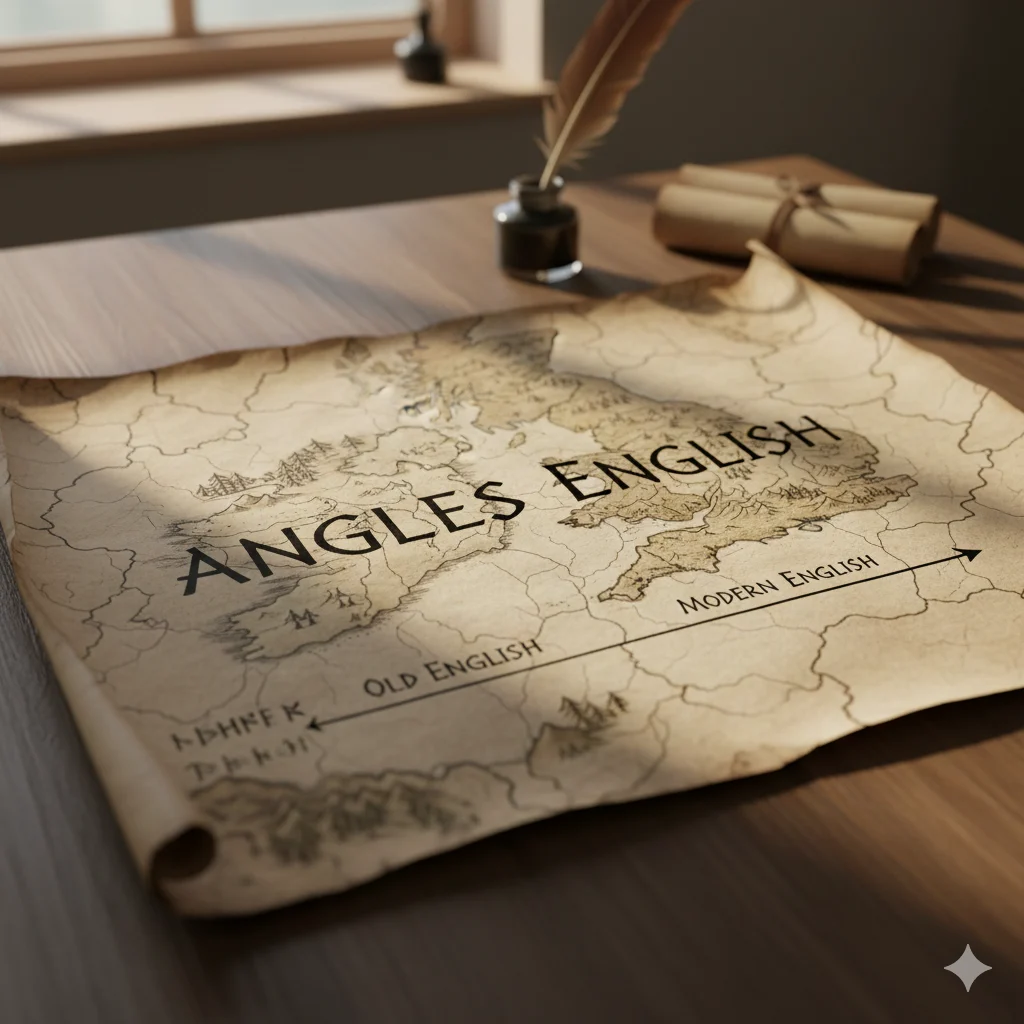
The word English comes from the Angles, a Germanic union that settled in Britain long ago. Their name became “Englisc” in Old English. Over time, this changed into “English.” Because it came from the name of a people and a place, it became a proper noun.
Proper nouns always start with capital letters. That is why English, like Pakistan, America, or Asia, uses a big letter. The same rule applies when talking about nationality, culture, or language.
People sometimes write english in small letters online. This often happens in fast typing, casual chat, or social media. But in correct grammar, English vs english is not a style choice. The capital letter is the rule.
This also explains questions like what’s the difference between English and English language. There is no big grammar difference. “English” can mean the language by itself. “English language” is just more detailed.
is old english capitalized
Just like “English,” the term Old English starts with a capital O and a capital E because it refers to a specific language and historical period.
Here’s the rule:
| Term | Capitalized? | Reason |
|---|---|---|
| Old English | ✅ Yes | Proper noun – name of a language |
| Middle English | ✅ Yes | Same rule |
| Modern English | ✅ Yes | Same rule |
| old english | ❌ No | Incorrect in formal writing |
Examples:
✅ Correct: “Beowulf was written in Old English.”
❌ Wrong: “Beowulf was written in old english.”
✅ Correct: “She studies Old English literature at university.”
❌ Wrong: “She studies old english literature at university.”
Why?
Because “Old English” is the name of a specific historical stage of the English language. It’s not just “old” + “english” – it’s a proper noun. So both words get capital letters.
Think of it like this:
| Historical Period | Capitalized? |
|---|---|
| Old English | ✅ Yes |
| Middle English | ✅ Yes |
| Modern English | ✅ Yes |
| Old French | ✅ Yes |
| Ancient Greek | ✅ Yes |
💡 The bottom line: Always write Old English with a capital O and a capital E. No exceptions in formal writing.
British English vs American English Spelling
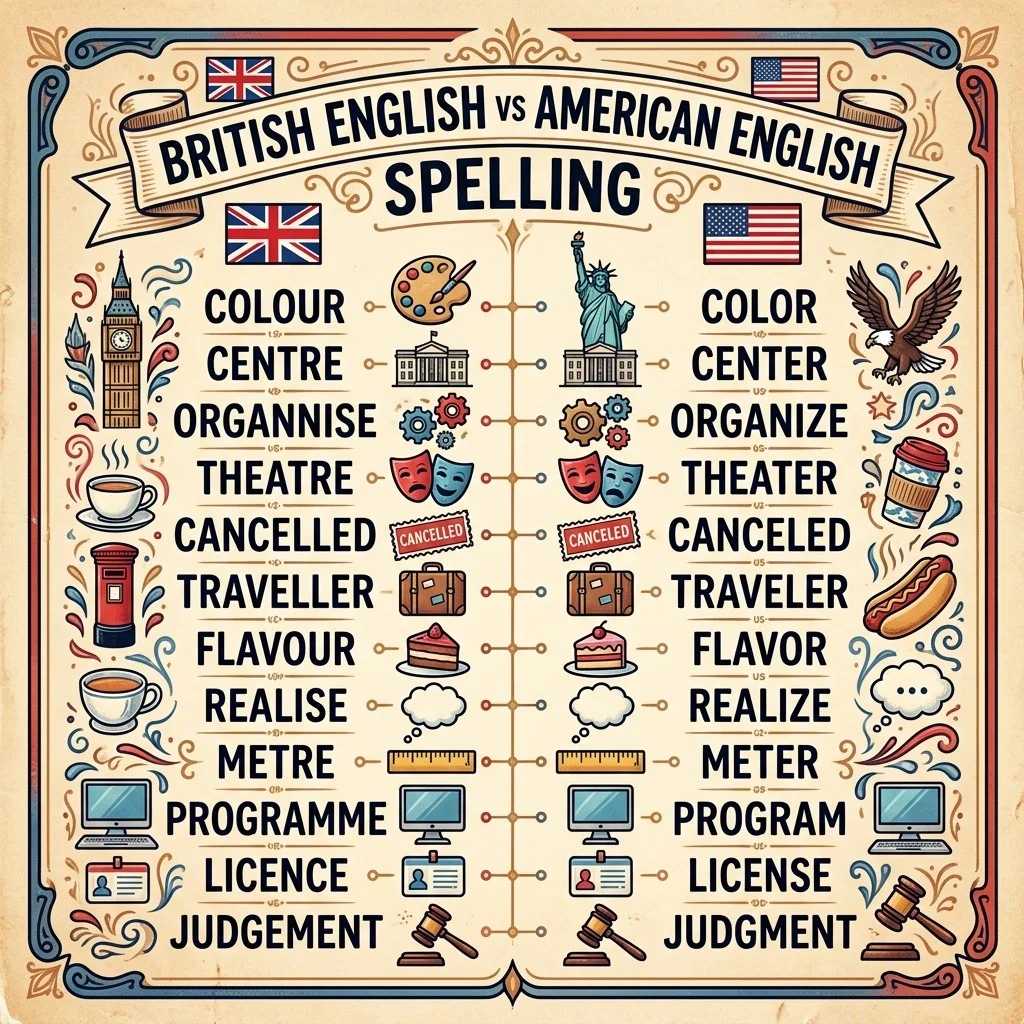
Here we talk about style, not capital letters. Both British English and American English still use a capital E in English. The difference is in spelling of other words.
| British English | American English |
|---|---|
| colour | color |
| centre | center |
| favourite | favorite |
| travelled | traveled |
| defence | defense |
So when people search english vs english vs british or english vs english vs american, they often mean spelling differences inside the language. But the word English itself stays capitalized in both systems.
English vs english grammar does not change between UK and US when it comes to capitalization. The rule stays the same.
Which Spelling Should You Use?
Use English with a capital E in all serious writing. This includes:
- School homework
- Exams
- Office emails
- News articles
- Blogs
- Applications
If your audience is in the US, follow American spelling like color and center. If your readers are in the UK or Commonwealth countries, use British spelling like colour and centre.
For global readers, pick one system and stay consistent. But never switch English to english in formal text.
Even in english vs English CC or captions online, proper grammar still prefers the capital letter. Small letters may appear in casual chat, but they are not correct.
Common Mistakes with english vs English
Mistake 1: Writing “i love english”
Correct: I love English.
Mistake 2: Saying “english grammar is hard”
Correct: English grammar is hard.
Mistake 3: Confusing people and language
- The English (people from England)
- English (the language)
This answers the question: What is the difference between the English and the English?
“The English” means the people. “English” alone can mean language or culture.
Mistake 4: Mixing with Anglish
Some ask about English vs anglish. “Anglish” is not standard. It is a hobby idea where people try to remove foreign words. It is not official grammar.
is english as a second language capitalized
Yes – but only the word English itself.
Let me break it down for you:
| Part | Capitalized? | Example |
|---|---|---|
| English | ✅ Yes (capital E) | “She teaches English as a second language.” |
| as a second language | ❌ No (lowercase) | “She teaches English as a second language.” |
So the correct way to write it is:
English as a second language – with a capital E on English, and everything else in lowercase.
Here are some examples:
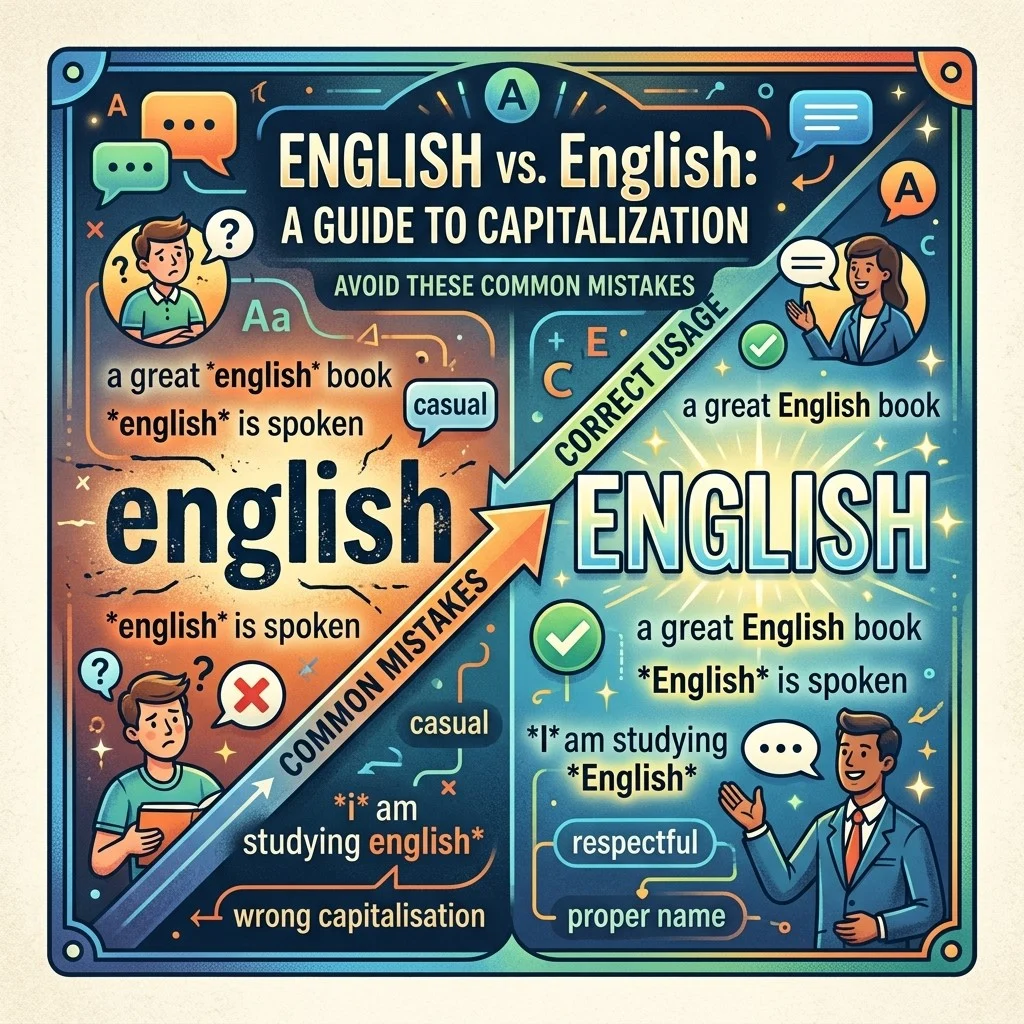
✅ Correct: “I am studying English as a second language.”
✅ Correct: “She got a degree in Teaching English as a Second Language.” (title case)
❌ Wrong: “I am studying english as a second language.”
❌ Wrong: “I am studying English As A Second Language.” (too many capitals)
Why?
Because English is the name of a language – a proper noun – so it always gets a capital E. The rest of the phrase (“as a second language”) is just a description, not a name, so it stays lowercase.
💡 Quick trick: Only capitalize English. Everything else in that phrase is common words.
when is english not capitalized
Almost never. But let me give you the exact exceptions.
Here’s the deal: English is capitalized 99.9% of the time. But there are a few rare situations where you might see it lowercase.
When “english” appears in lowercase (informal or incorrect usage):
| Situation | Example | Is It Correct? |
|---|---|---|
| Fast typing in texts or chats | “i love english class” | ❌ No – just a typo |
| Social media comments | “english is hard” | ❌ No – grammatically wrong |
| Domain names or usernames | @englishlearner | ✅ Yes (usernames ignore rules) |
| Hashtags | #englishgrammar | ✅ Yes (hashtags often use lowercase) |
| File names or code | english_guide.pdf | ✅ Yes (technical contexts) |
| When it’s not referring to the language | “english muffin” (muffin from England) | ❌ Still should be “English muffin” |
The only technically correct exception?
Honestly? There isn’t one in formal writing. Even when “English” is used as an adjective (English teacher, English literature, English breakfast), it still keeps the capital E.
Some people think “english” is okay when it means “related to England” in a casual way. Nope. Still wrong.
💡 The bottom line: If you’re writing anything formal – school, work, news, blogs, emails – always capitalize English. The only time lowercase appears is in informal digital spaces where grammar rules don’t apply. And even then, it’s technically incorrect.
So the real answer? English is always capitalized when it refers to the language, culture, or people of England. No exceptions in formal writing.
english vs English in Everyday Examples
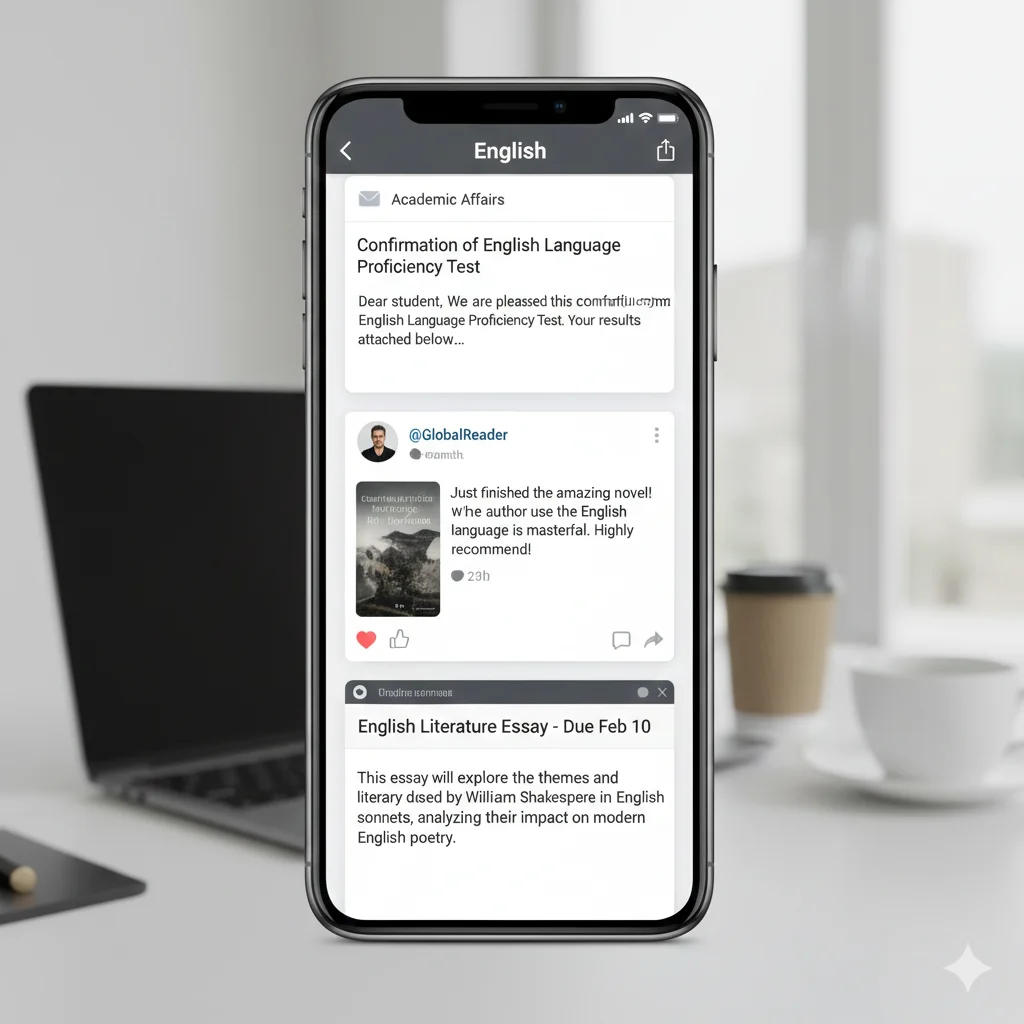
Email:
I am improving my English writing skills.
News:
English is spoken in many countries.
Social Media:
Trying to learn English every day.
Formal Writing:
English literature has a rich history.
Casual Chat:
People may type english, but it is still grammatically wrong.
English or Spanish?
Both are languages, and both need capital letters.
English vs english examples:
Correct: English is my favorite subject.
Wrong: english is my favorite subject.
english vs English – Google Trends & Usage Data
Search interest for english vs English is common in countries where people learn the language as a second language. Students often search before exams. Teachers also look for simple explanations.
People also search english vs english words or english vs english grammar when comparing British and American styles. But data shows the confusion is usually about capitalization, not vocabulary.
In online writing, lowercase english appears often, especially in comments and fast posts. However, in books, schools, and official media, English with a capital E is the standard form.
So popularity of the lowercase form online does not make it correct grammar.
Comparison Table – Keyword Variations
| Phrase | Meaning |
|---|---|
| english vs English | Capitalization difference |
| English vs English language | Short vs full phrase |
| English vs anglish | Standard vs hobby form |
| English vs english grammar | Capital letter rule |
| english vs english vs british | Style confusion |
| english vs english vs american | Spelling system comparison |
| English or Spanish | Two languages, both capitalized |
FAQs
1. Is English with a big E?
Yes. The language name always starts with a capital letter.
2. Can I ever write english in lowercase?
Only in very casual typing, but it is not correct grammar.
3. What is the difference between English and English language?
No major difference. One is short, one is more detailed.
4. What is the difference between the English and the English?
“The English” means people from England. “English” can mean language.
5. What is the difference between English and anglish?
English is real and standard. Anglish is a creative idea, not official.
6. Does British or American style change this rule?
No. Both use a capital E.
7. Why do many people write english online?
Fast typing, habits, or lack of grammar knowledge.
Conclusion
The difference between english vs English is simple but important. English with a capital E is correct because it is a proper noun. It comes from the name of a people and place, so grammar rules require a capital letter. The lowercase form appears often online, but that does not make it right in formal writing. This rule stays the same in British English and American English. It also applies in school, work, news, and professional content. Understanding this helps you write clearly and look more educated. Small grammar details can change how others see your writing. Now you know when to use English, what common mistakes to avoid, and how it fits with other questions like English vs English language or English or Spanish. Keep the capital letter, stay consistent, and your English writing will look correct and confident every time.

D.M. Thomas, a thoughtful wordsmith at SimileHub.com, blends imagination with emotion, crafting rich imagery that guides readers into deeper, vivid expression.