A beautiful room can still feel awkward if people have to stretch, twist, or get up every time they want a sip of water. We’ve all been there, holding a plate in one hand and silently wondering, “Where on earth do I put this?” That little moment matters more than most hosts realize.
Great hosting is not just about matching chairs or a perfect rug. It’s about whether your guests feel comfortable enough to settle in, relax, and stay in the conversation. Most older adults, 68%, say universal design features in homes are important, and 59% say they should be standard in newly built homes. That’s why smart guest seating arrangements should begin with comfort people can feel right away.
Style creates the first impression. Reach shapes the whole experience. Let’s look at why that quiet detail carries so much weight.
Guest Reach Importance in Modern Seating Setups
A seating area works best when every chair has a purpose. It needs a surface nearby, a good view of the group, and enough room for people to move without doing a sideways shuffle.
The Overlooked Factor of Accessibility Vs. Traditional Seating Style
A dramatic accent chair might look amazing in photos. But if it’s floating too far from a table, it quickly becomes the seat everyone avoids. Placed well, living room end tables can turn that same awkward corner into a practical, welcoming spot where a guest can actually settle in.
Social Flow and Interaction Boosted by Strategic Placement
When drinks, snacks, and other people are easy to reach, conversation flows better. Nobody has to interrupt a story to stand up, hunt for a coaster, or balance a glass on the floor. That’s why guest reach and importance deserve a front-row seat in your planning process.
Once you notice how much access affects social comfort, reach stops feeling like a tiny detail. It becomes the thing that makes the room work.
Key Strategies for Maximizing Guest Comfort Over Style
Planning around reach does not mean giving up style. Not at all. It simply means your good-looking pieces also need to pull their weight.
Prioritizing Reach in Every Effective Seating Plan
A thoughtful layout gives each seat access to three things: a surface, a walking path, and a natural conversation zone. The forced reach extends farther than natural reach by about 23 mm, while males showed a farther arm reach than females by about 60 mm.
That may sound technical, but the takeaway is simple. People have different reach ranges, so don’t make comfort depend on stretching.
Adapting for Different Types of Gatherings
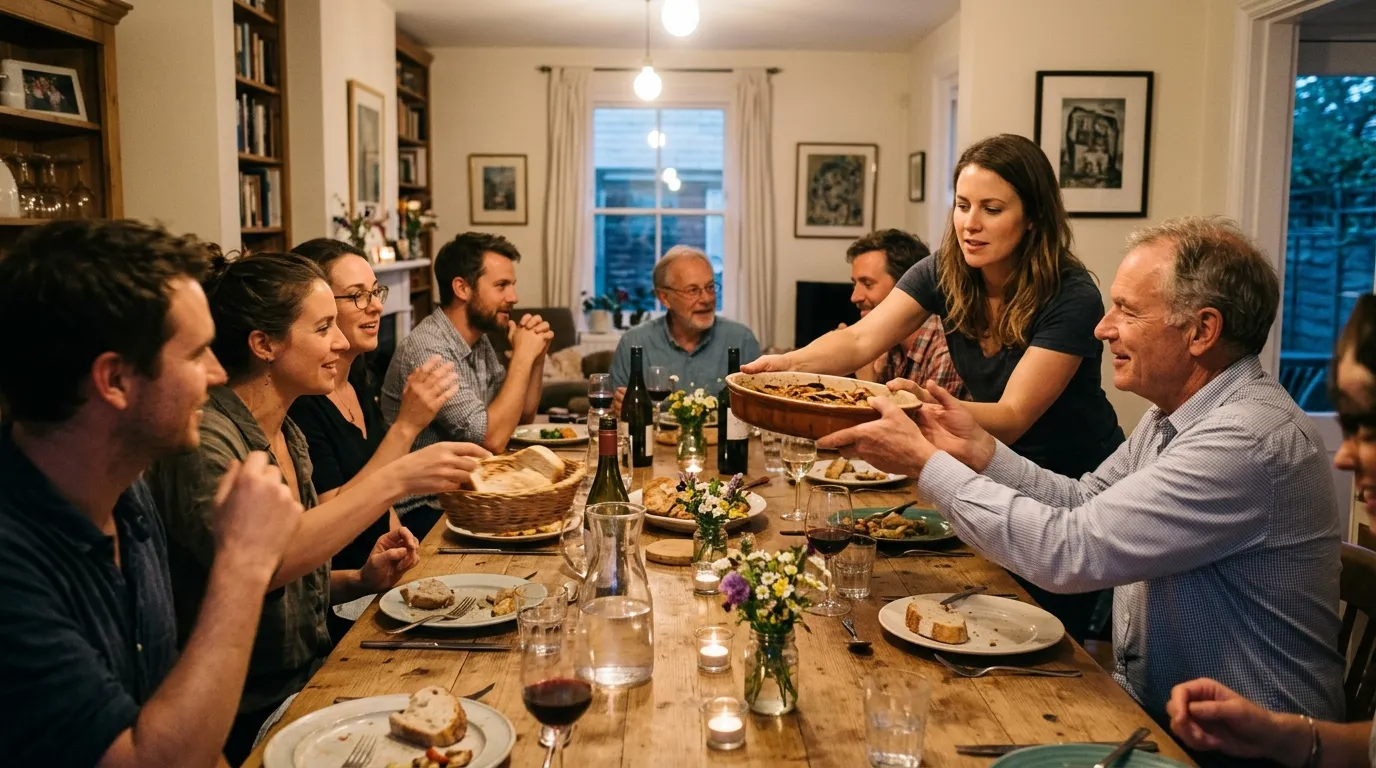
A dinner party needs tighter conversation areas and clear routes for serving. A larger gathering needs flexible seating that can move as the crowd shifts. Family events need safer corners, fewer breakables, and surfaces that can handle snacks, juice boxes, or someone’s phone.
When your furniture supports real-life use, guests feel it immediately. Now let’s talk about movement.
Event Seating Tips for Effortless Guest Movement and Convenience
Guests should never have to guess where to walk, where to sit, or where to place their things. A well-planned room quietly guides them.
Innovative Seating Solutions Embracing Flexibility
Modular chairs, benches, poufs, ottomans, and nesting tables are lifesavers when the guest list changes. Some people sit all night. Others drift between rooms. Flexible pieces let the room breathe without feeling chaotic.
Smart Accessory Placement to Improve Guest Experience
Coasters, napkins, trays, and drink stations should go where hands naturally land. It sounds obvious, but it’s easy to miss when you’re focused on decorating. The best event seating tips often come down to one rule: don’t make guests work for basic comfort.
When people can move easily and grab what they need, the whole gathering feels smoother.
Seating Style Vs Reach: Striking the Ideal Balance
A room can be stylish and still behave well. In fact, the best rooms usually do both. They look intentional, but they also make sense once people arrive.
Integrating Style Without Sacrificing Utility
Pick tables that sit near seat height. Use lamps that add warmth without blocking faces. Choose rugs that define zones without becoming trip hazards. A strong seating style vs. reach choice should pass two tests: it looks good, and it works without explanation.
Room Layout Templates for Optimal Guest Engagement
Here’s a quick comparison hosts can use before moving furniture:
| Layout Type | Reach Benefit | Watch-Out |
| U-shape | Great for group talk | Needs center table access |
| Conversation pairs | Feels personal | Can split the room |
| Mixed seating | Works for parties | Needs clear walkways |
These simple layouts help you spot weak points before guests arrive. And trust me, it’s much better to notice them before someone is holding a full drink.
Common Mistakes in Guest Seating Arrangements to Avoid
Even a polished room can fall flat if people feel boxed in, overlooked, or left holding their belongings. The frustrating part? These issues are usually small and easy to fix.
Pitfalls of Overemphasizing Style at the Expense of Comfort
Common troublemakers include chairs angled away from the group, coffee tables pushed too far forward, and fragile decor placed where people need usable surfaces. These choices make guest seating arrangements feel staged instead of lived in.
Neglecting End Tables and Essential Touchpoints
Without living room end tables, guests often end up balancing glasses on their knees or getting up more than they want to. That interrupts conversation and can make the setup feel less thoughtful, even if the room looks gorgeous.
Comfort drops fast when there’s nowhere to put everyday items. Luckily, a little planning solves most of it.
Best Practices for Crafting an Effective Seating Plan
Test your layout before the doorbell rings. Sit in each spot. Hold an imaginary plate if you have to. It may feel silly for ten seconds, but it can save you from a night of awkward shuffling.
Using Floor Plan Apps and Virtual Tools for Early Visualization
Room planning apps can help you check spacing, traffic flow, and table placement before you move heavy furniture. Measure the distance from each seat to the nearest surface. Then ask yourself: would this feel easy with a drink in one hand?
Gathering Guest Feedback and Adjusting Accordingly
After the gathering, pay attention. Which seats filled first? Which stayed empty? Where did people naturally gather? That feedback can improve an effective seating plan more than guesswork ever will.
Once every seat has a nearby surface, the room starts feeling much more generous.
Enhancing Guest Comfort With Accessible Living Room End Tables
Living room end tables may be small, but they do a lot of hosting work. They hold drinks, phones, snacks, books, reading glasses, and sometimes the tiny pause that keeps a conversation comfortable.
Selecting the Right End Tables for Different Settings
When choosing living room end tables, aim for pieces close to the seated guest’s arm height. Round tables are great in tight spaces because they soften edges. Nesting tables help small rooms flex. Drawer tables are useful when you want to hide remotes, chargers, or clutter before guests arrive.
Creative Styling Ideas for Function-First Table Arrangements
For living room end tables, keep styling simple. A lamp, a small stack of coasters, and one decorative object is usually plenty. Leave open space. A table covered in pretty things may photograph well, but it won’t help the person holding a mug.
When end tables are both useful and attractive, guests feel cared for without having to think about why.
Expert Tips on Guest Seating Arrangements for Any Occasion
Designers and event planners often plan from the guest’s hand, not just the host’s eye. Where does the drink go? Where does the bag land? Can two people talk without turning their necks?
Pro Advice From Event Planners and Interior Designers
Rotating accent chairs, tiered seating for viewing areas, and multi-use ottomans can help a room shift during the event. The strongest setups give guests options without making the space feel crowded.
Seasonal Adjustments for Outdoor and Indoor Gatherings
Outdoor gatherings need shade, stable surfaces, and accessories that won’t blow away. Indoor winter gatherings need coat space, warm lighting, and tables near seats so everyone doesn’t end up crowding the kitchen.
Think about weather, crowd size, and how people will actually use the room. You’ll already be ahead of most hosts.
Common Questions About Guest Seating Comfort
What Are the 7 Steps of Hospitality?
The seven steps are greeting, seating, offering comfort, presenting options, serving with care, checking back, and closing warmly. At home, that means welcoming guests, giving them a comfortable place, and making sure essentials are within reach.
How Do You Ensure Customers Are Comfortable When Waiting to Be Seated?
Offer a clear waiting area, enough chairs, visible timing updates, and easy access to water or restrooms. In a home setting, create a small arrival zone so guests aren’t left standing in the doorway.
Can Stylish Seating Also Support Good Reach?
Yes, if function comes first. Choose pieces with the right height, place tables near every seat, and keep paths open. Style works best when it supports comfort rather than competing with it.
Final Thoughts on Reach-First Seating
Style catches attention, but reach is what people feel all evening. A thoughtful room lets guests sit, sip, snack, talk, and set things down without fuss. That is the difference between a space that merely looks ready and one that truly feels ready.
Before your next gathering, try every seat like a guest would. If comfort is within reach from every spot, you’re already setting the stage for a warmer, easier, more memorable event.