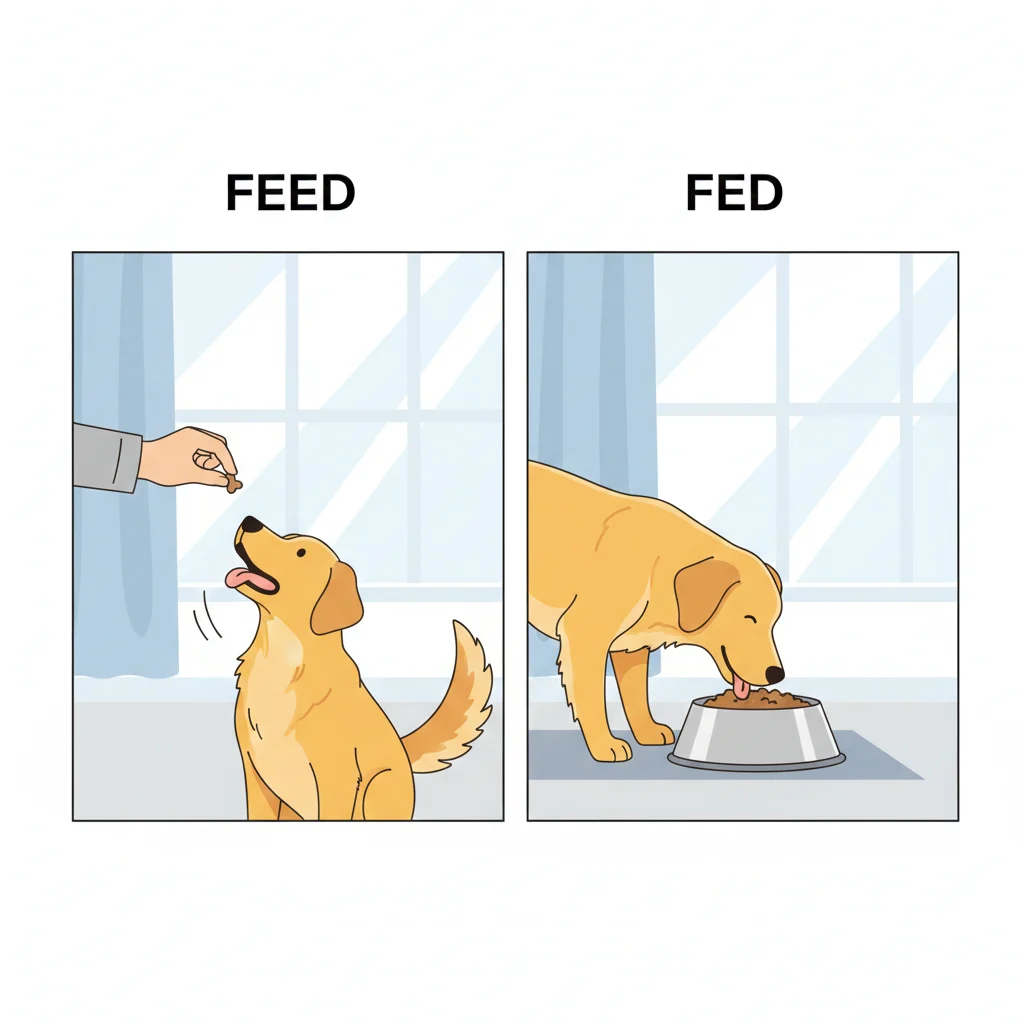
“Feed” is the present or base form of the verb, while “fed” is its past tense and past participle. Use “feed” for an action happening now or regularly, and “fed” for an action that already happened.
Fed vs. feed can be confusing because both words come from the same verb, but they are not interchangeable. Using the wrong form can make an otherwise simple sentence grammatically incorrect. The easiest rule to remember is this: feed = present/base form; fed = past and past participle.
For example, you can say, “I feed my cat every morning,” when describing a regular action. But if the action happened earlier, say, “I fed my cat this morning.” Notice how one small change tells the reader when the action happened.
The confusion becomes even easier to understand when you remember that feed is an irregular verb. Its past form is fed, not “feeded.” Once you know this pattern, choosing the correct word becomes much easier.
In this guide, you’ll discover the clear difference between fed vs. feed, including their meanings, grammar rules, verb forms, pronunciation, sentence examples, common mistakes, and practical tips for knowing exactly when to use each word. By the end, you’ll be able to use feed and fed correctly and confidently in everyday English.
The Origin of Fed vs Feed
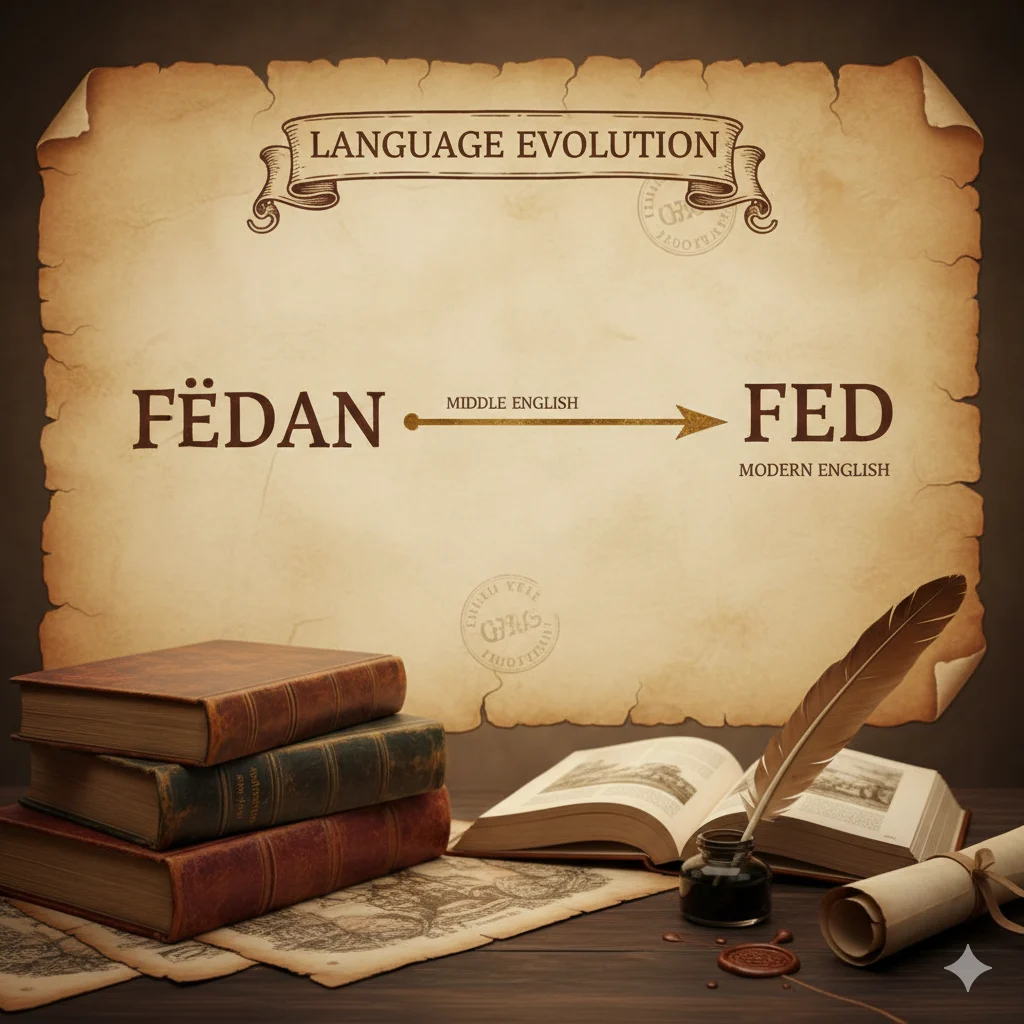
The word feed comes from Old English “fēdan,” which meant to give food or nourish. It was used for people and animals. Over time, English changed, but the base word stayed almost the same.
Fed is the irregular past form of feed. English has many verbs like this. They do not just add “-ed.” Instead, the vowel sound changes. Think of words like:
- Lead → Led
- Breed → Bred
- Feed → Fed
That is why spelling differences exist. English kept old patterns from history. These changes make English rich but sometimes confusing for learners.
British English vs American English Spelling
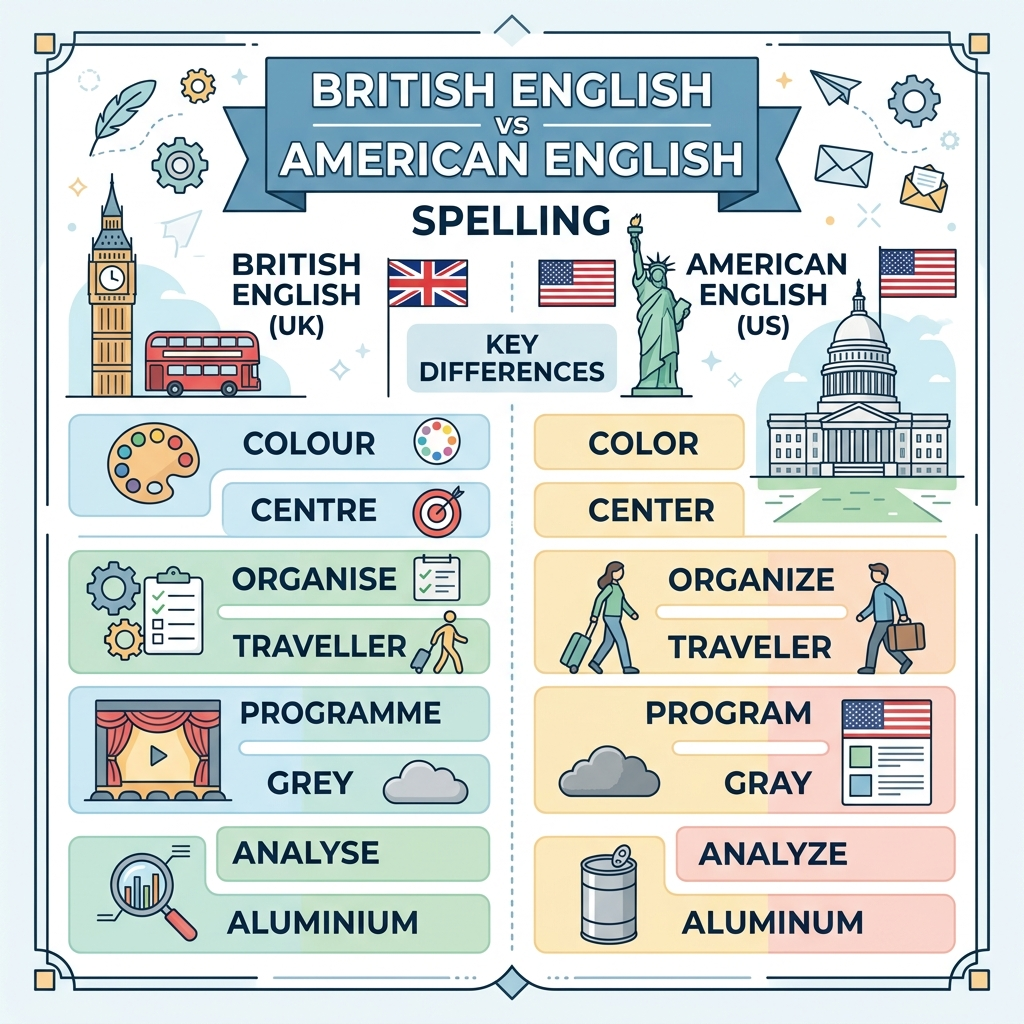
Good news. There is no spelling difference between British and American English for fed and feed. Both use the same forms and rules.
| Form | British English | American English | Example |
|---|---|---|---|
| Present | feed | feed | I feed my dog. |
| Past | fed | fed | I fed my dog. |
| Past Participle | fed | fed | I have fed my dog. |
The grammar rules are the same in both systems.
Travelers vs Travellers: Why Two Spellings Exist ✨
Which Spelling Should You Use?
Your choice depends on time, not country.
Use feed when:
- Talking about habits: I feed the baby at 8.
- Giving instructions: Feed the fish daily.
- Talking about now: They feed the animals.
Use fed when:
- Talking about yesterday: I fed the dog.
- Talking about past events: She fed the birds.
- Using present perfect: I have fed the cat.
For global English, just follow the time rule. That works everywhere.
Common Mistakes with Fed vs Feed
Here are frequent errors and corrections.
❌ I feed the dog yesterday.
✔ I fed the dog yesterday.
❌ She has feed the baby.
✔ She has fed the baby.
❌ He fed the cat every day.
✔ He feeds the cat every day.
❌ The cows feed already.
✔ The cows are fed already.
People mix tenses. Remember: fed is for the past.
Fed vs Feed in Everyday Examples
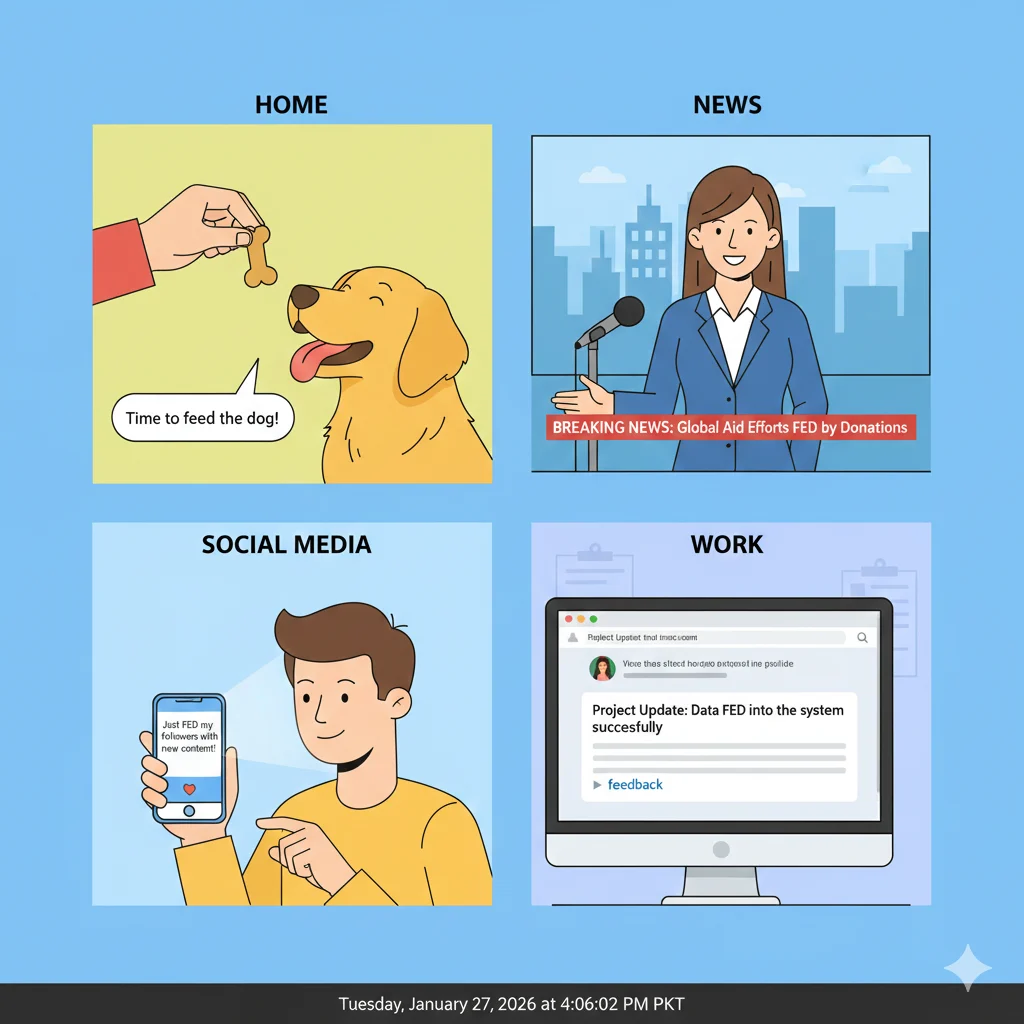
Emails
I fed the client data yesterday.
Please feed the system new details.
News
Farmers fed animals during the storm.
Parents feed children healthy meals.
Social Media
I just fed my dog.
Time to feed my plants.
Formal Writing
The nurse fed the patient.
This machine feeds paper automatically.
Misspell vs Mispell: Which One Is Actually Wrong? ❌
Fed vs Feed Meaning
Feed means to give food, supply, or provide. It can also mean to supply information or energy.
Fed meaning is simple. It means the action already happened. Food or supply was given.
Fed vs feed in Urdu:
Feed = khana dena
Fed = khana diya
Fed vs Feed Synonym
Synonyms for feed:
nourish, give food, supply, provide
Synonyms for fed:
nourished, supplied, provided
FEED FED Fed Pronunciation
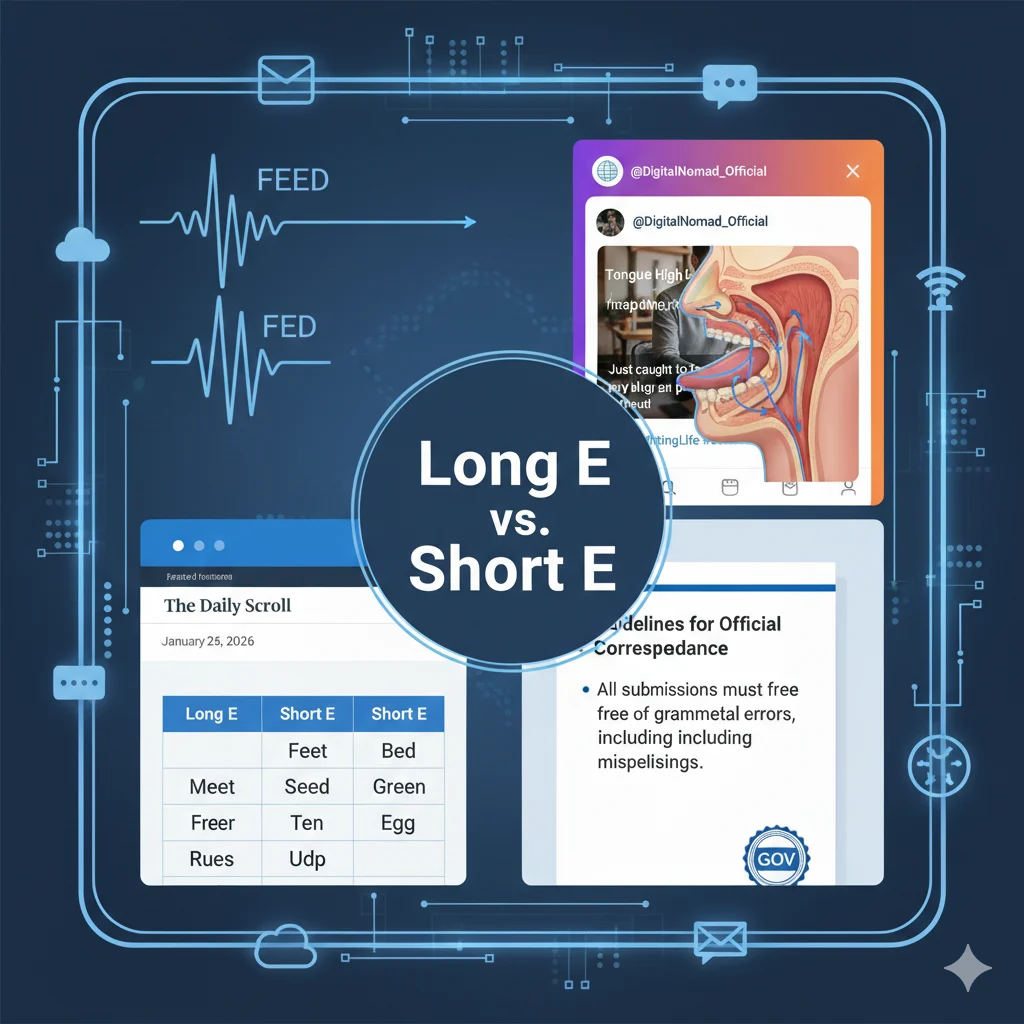
Feed sounds like “feee-d.”
Fed sounds short, like “feh-d.”
The long sound is present. The short sound is past.
Fed Food Meaning
Fed food meaning refers to food that was given to someone or something. Example: The baby was fed food before sleeping.
Comparison Table: Fed vs Feed
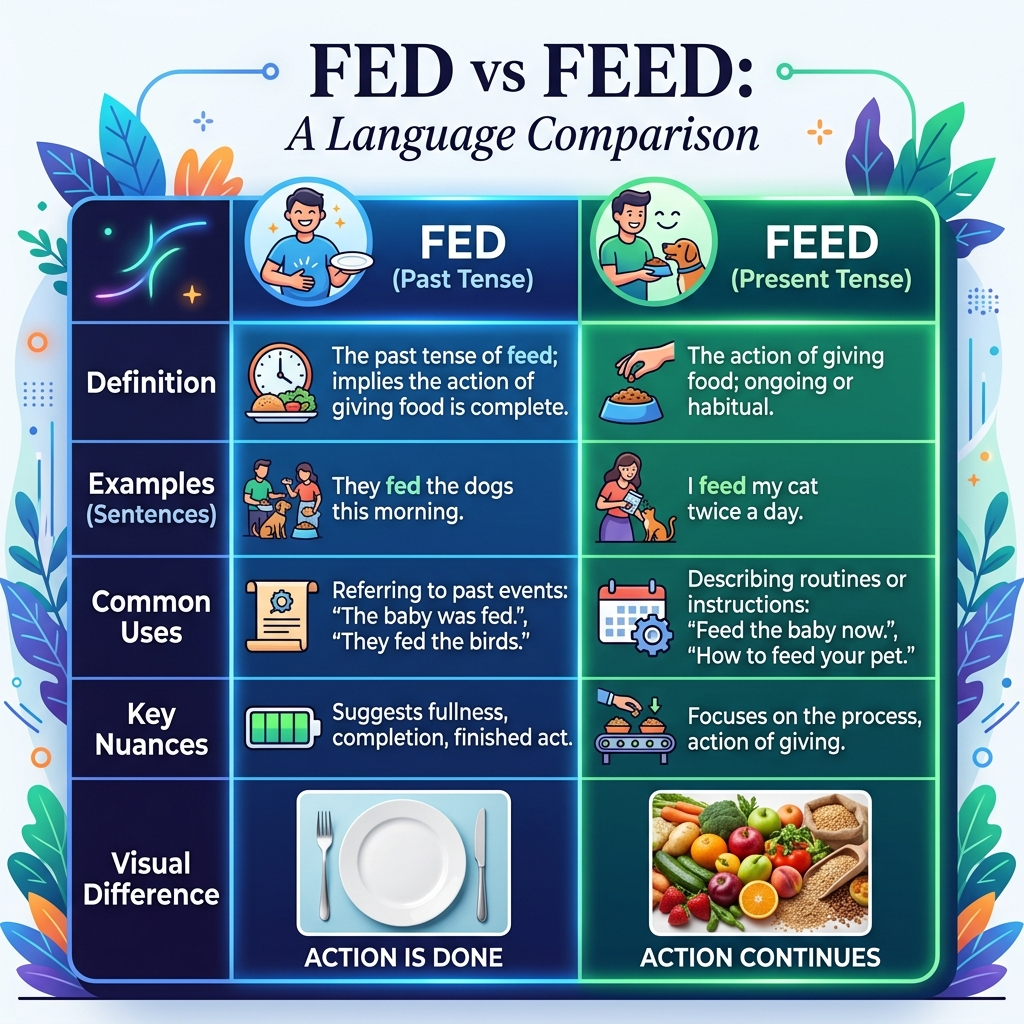
| Feature | Feed | Fed |
|---|---|---|
| Tense | Present | Past |
| Meaning | Give food | Gave food |
| Time | Now or routine | Already happened |
| Example | I feed the dog | I fed the dog |
| Verb Type | Base form | Past form |
Google Trends & Usage Data
Feed is searched more because it has many uses. It can mean food, animal feed, social media feed, and news feed. Fed is often searched by students learning grammar. Countries where English learners are many show high searches for fed vs feed meaning and fed vs feed examples. In daily life, feed appears more in technology and media. Fed appears more in storytelling and past events.
FAQs
1. What’s the difference between fed and feed?
Feed is present. Fed is past.
2. Does fed mean eat?
No. It means gave food, not ate.
3. Is fed or is feed correct?
Use feed with present tense. Use fed with past tense.
4. Is fed the past tense of feed?
Yes. Fed is the past and past participle.
5. How do I use fed in a sentence?
I fed the dog.
6. What is feed used for besides food?
It means supply, like news feed.
7. How do children learn this rule?
By practice and examples.
Conclusion
Understanding fed vs feed is easy once you know the time rule. Feed is used for present actions, habits, and instructions. Fed is used for past actions that already happened. Many learners mix them, but practice solves this problem. Remember the sound difference too. Feed has a long sound. Fed has a short sound. These words are common in daily speech, news, writing, and social media. Knowing them improves grammar and confidence. Whether you are writing emails, stories, or school work, correct tense matters. Use feed for now. Use fed for before. That simple idea will keep your English clear. Keep practicing with sentences like I feed the cat and I fed the cat. Soon, the confusion will disappear.

D.M. Thomas, a thoughtful wordsmith at SimileHub.com, blends imagination with emotion, crafting rich imagery that guides readers into deeper, vivid expression.