Whit vs Wit: Are You Using It Wrong? 😳
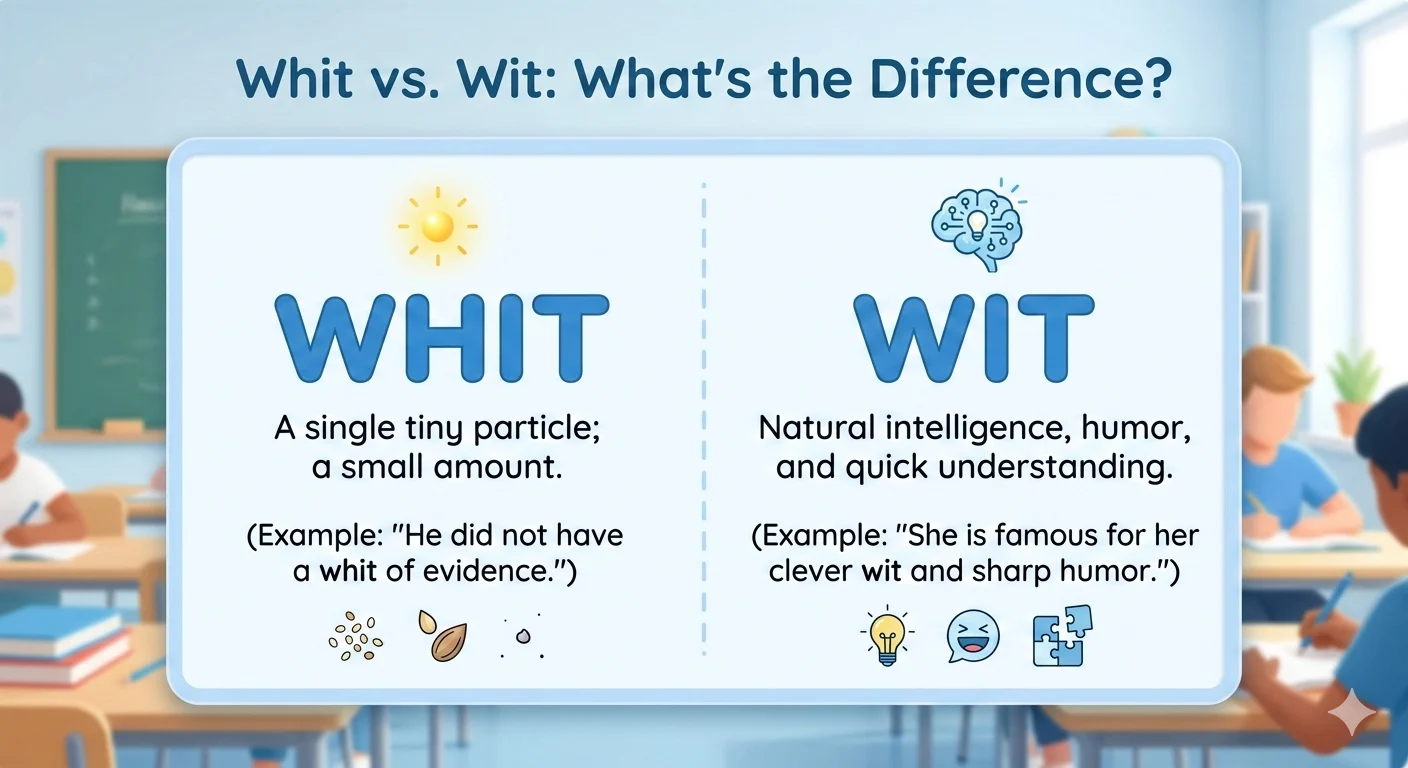
Wit means clever humor or quick thinking.Whit means a very small amount. Examples: So, what is the difference between wit ...
Read more
Blowed Vs Blew: The Shocking Grammar Truth 😲
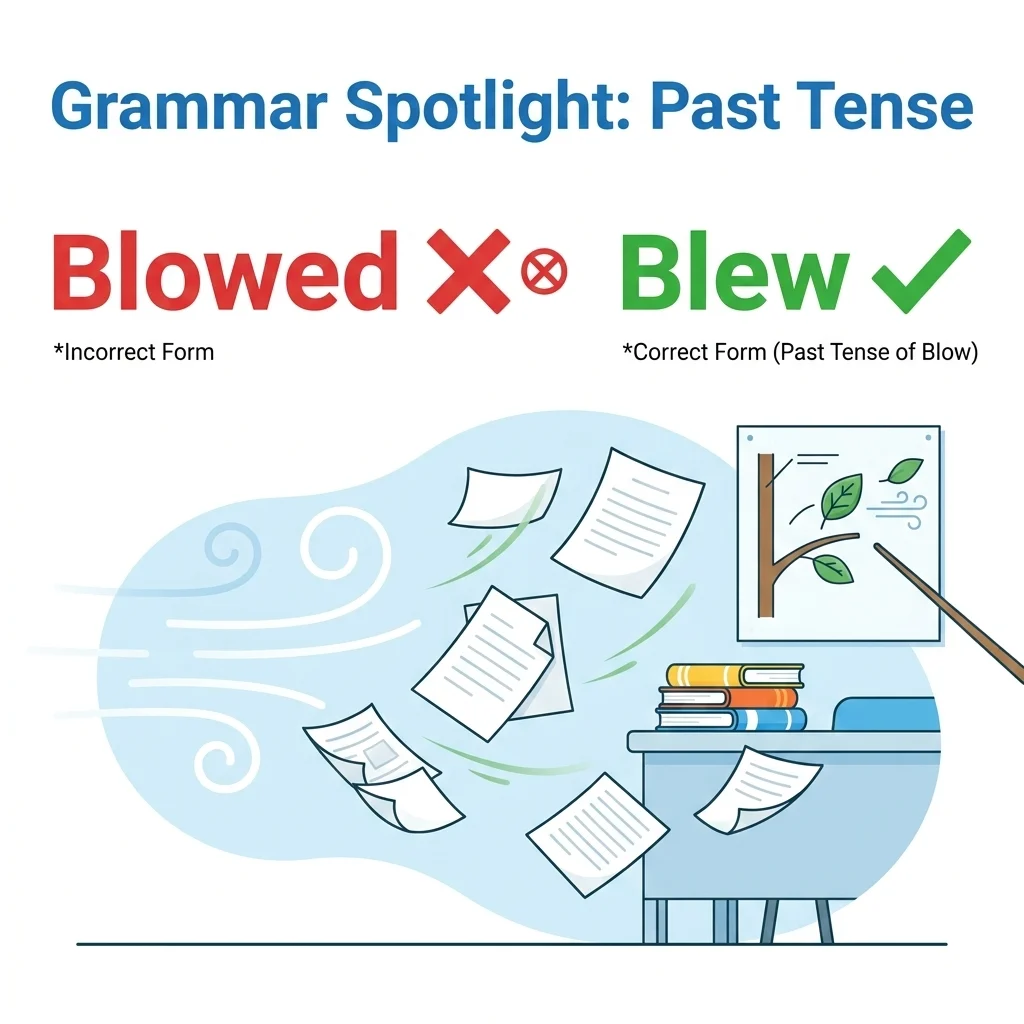
“Blew” is correct. “Blowed” is incorrect in standard English. The past tense of blow is blew, not blowed.✔ He blew ...
Read more
Injust vs Unjust: The Hidden Difference Most People Miss 🔍😲
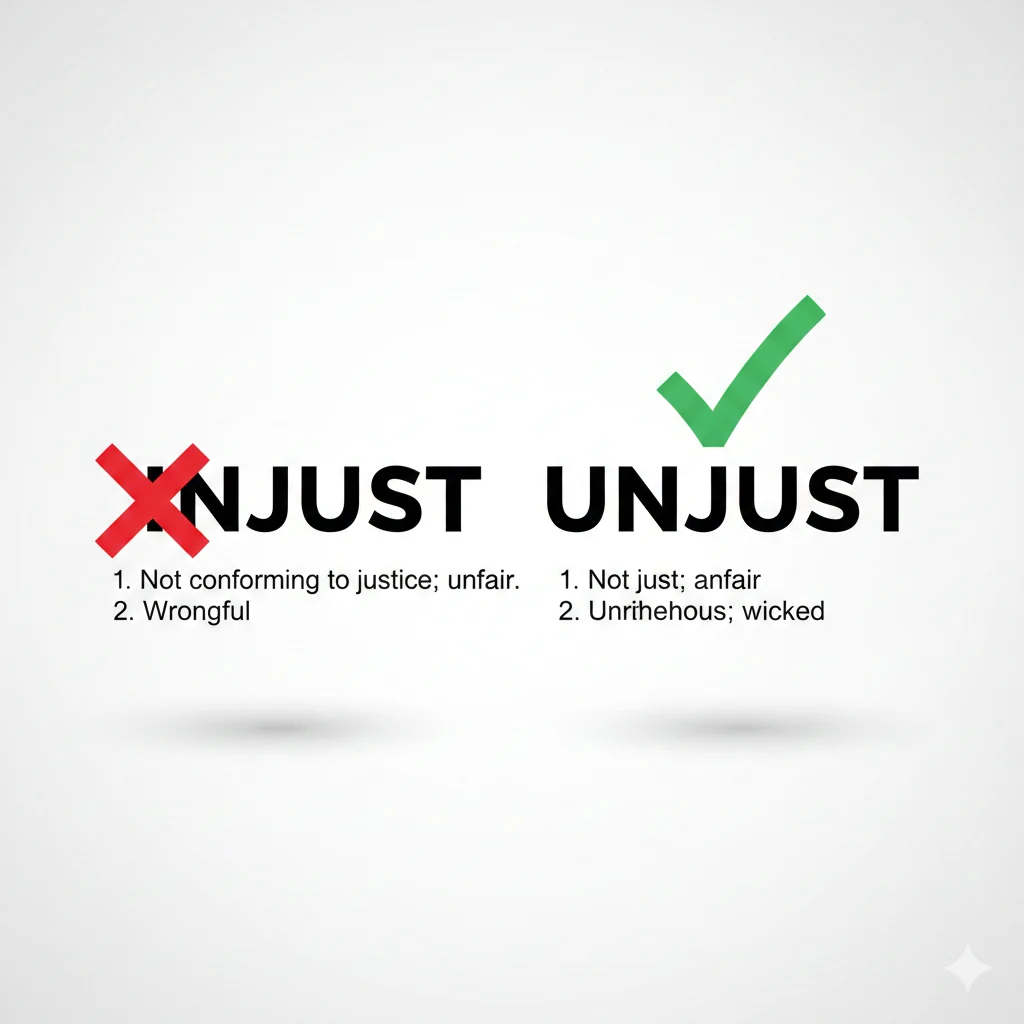
Injust vs Unjust: Unjust is the correct and widely used English word for something unfair, while injust is an obsolete ...
Read more
Being vs Beeing: Which One Is Correct? 🔍✅
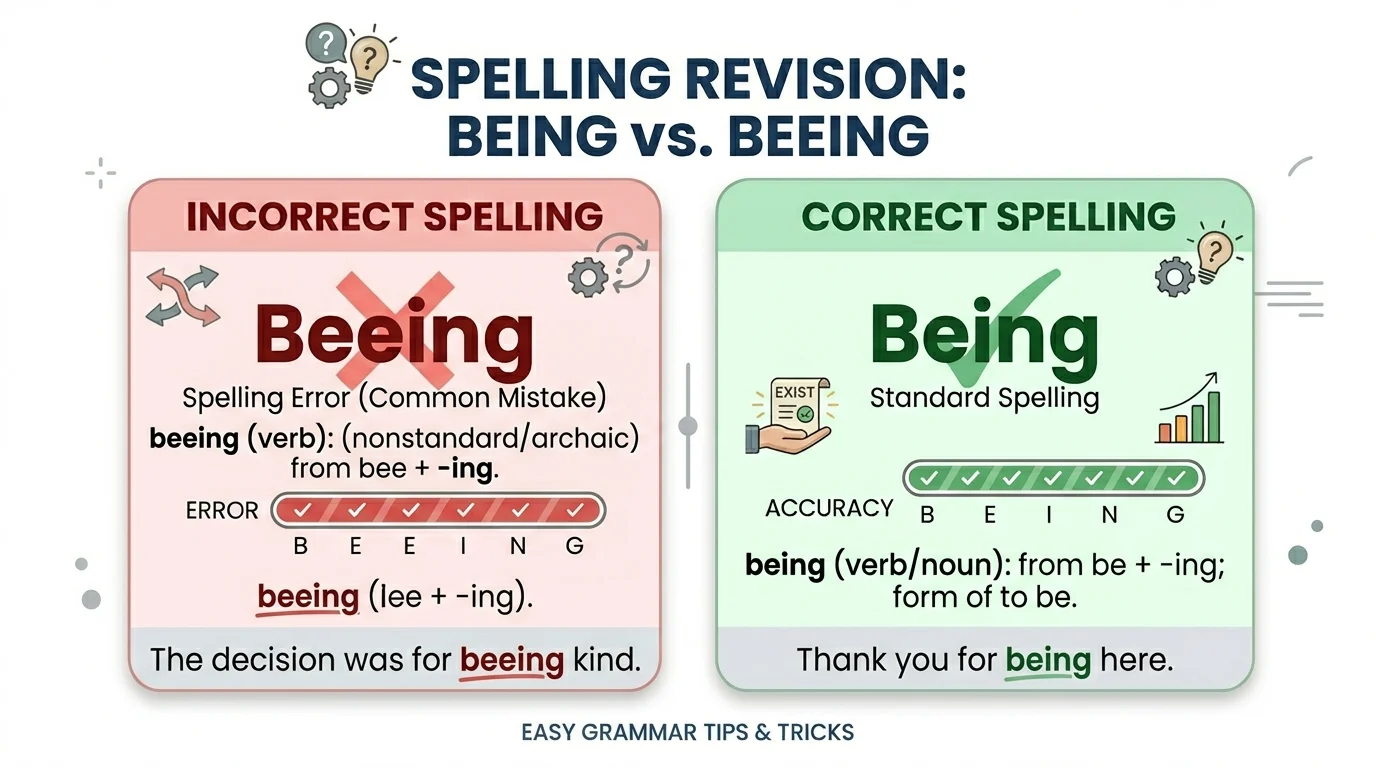
Being is the correct English spelling, while beeing is generally a misspelling. “Being” is used as a form of “be” ...
Read more
Kids vs Kid’s: Secret Grammar Rule Everyone Gets Wrong 😱📚
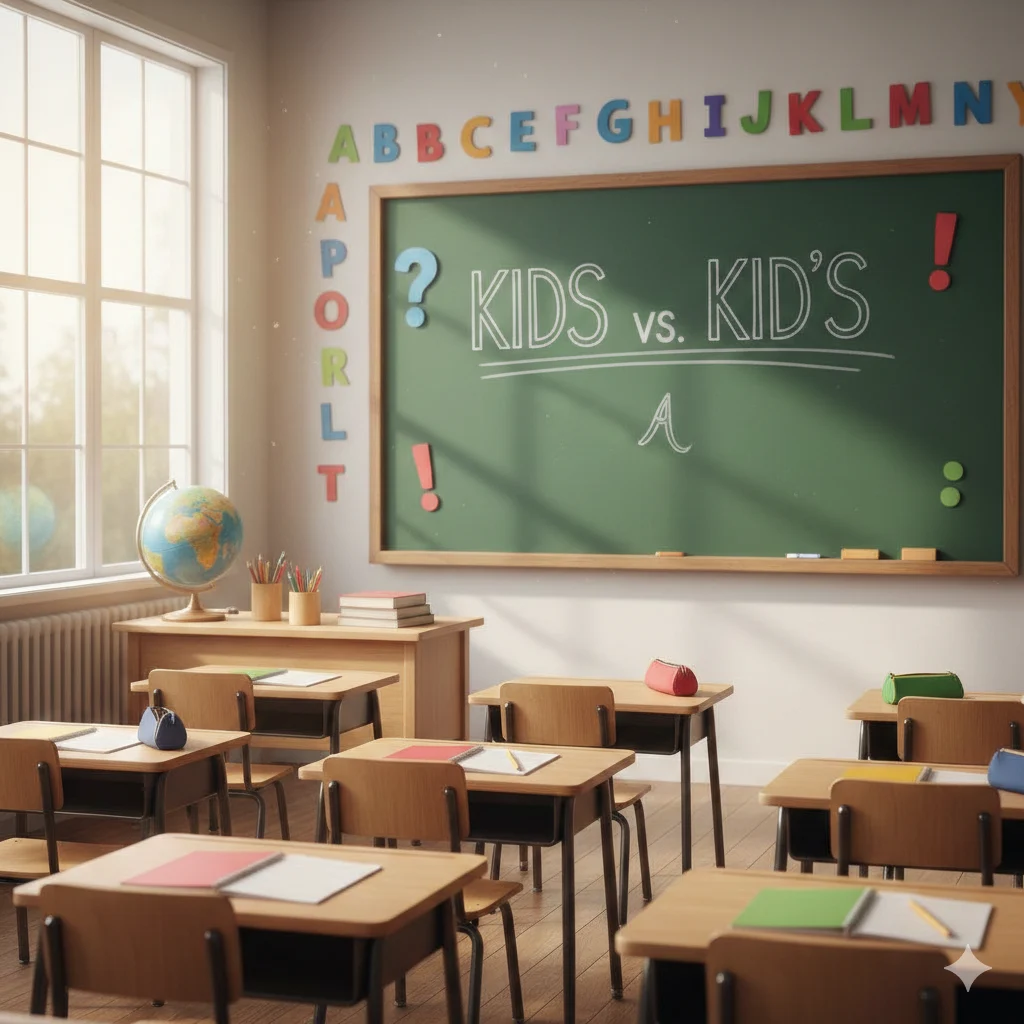
Kids vs Kid’s is a very common grammar confusion that changes the meaning of a sentence with just one small ...
Read more
Revocable vs Irrevocable: Tiny Detail You Missed 👀
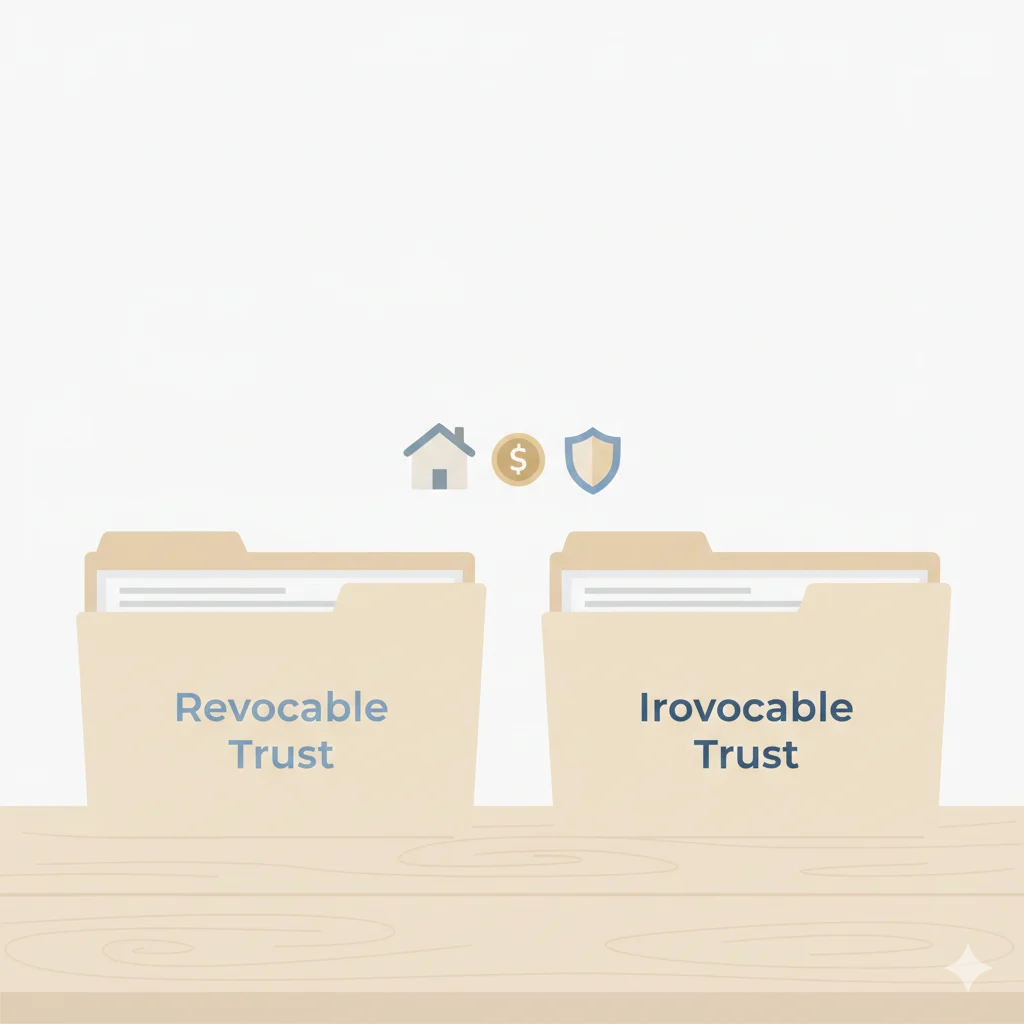
Revocable vs irrevocable means whether a trust can be changed or not.A revocable trust can be changed, updated, or canceled ...
Read more
Naïveté vs Naivety: The Truth About Their Difference 🔍✨
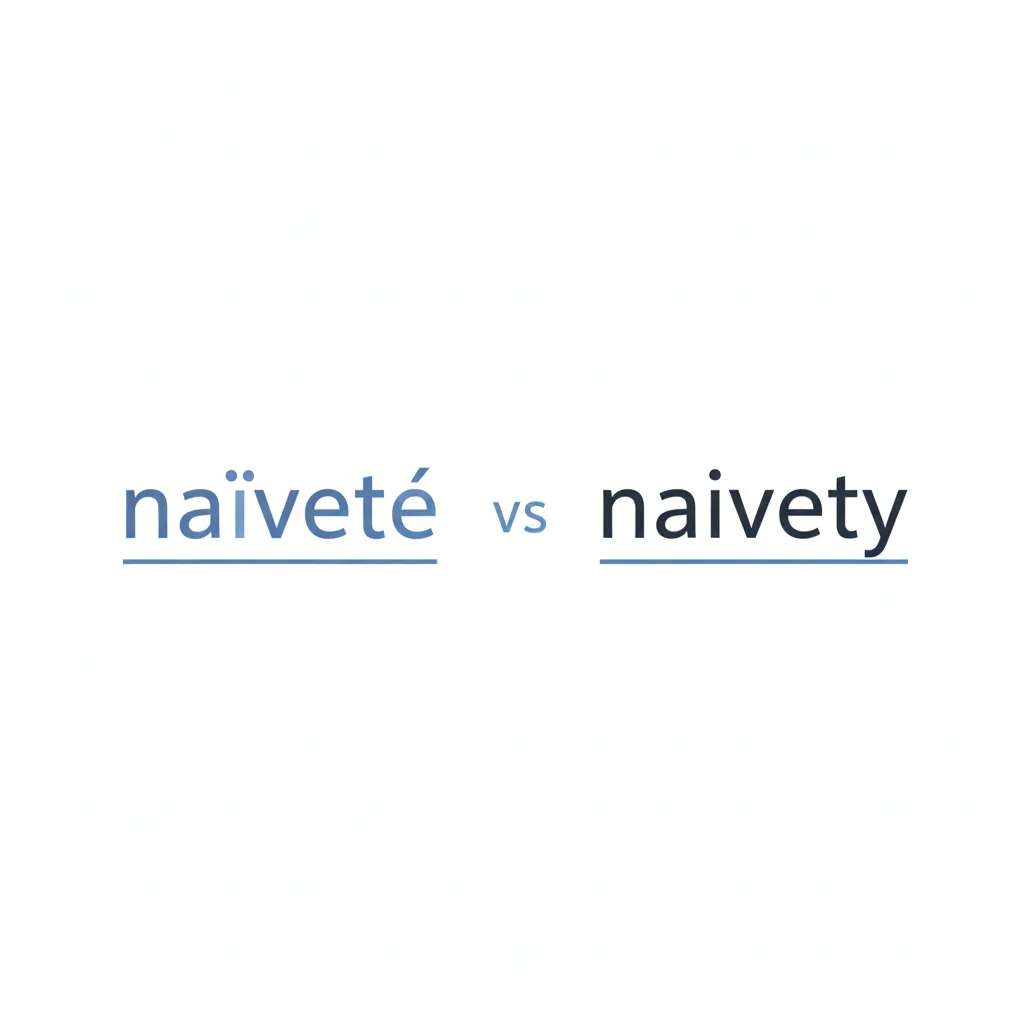
Naïveté and naivety are both correct spellings meaning a lack of experience, judgment, or sophistication. “Naïveté” keeps the French spelling, ...
Read more
Myself vs Me: What’s the Difference? Rules & Examples ✨

“Me” is used as an object, while “myself” is used when the subject and object are the same person or ...
Read more
Can’t vs Cannot: The Real Difference Explained
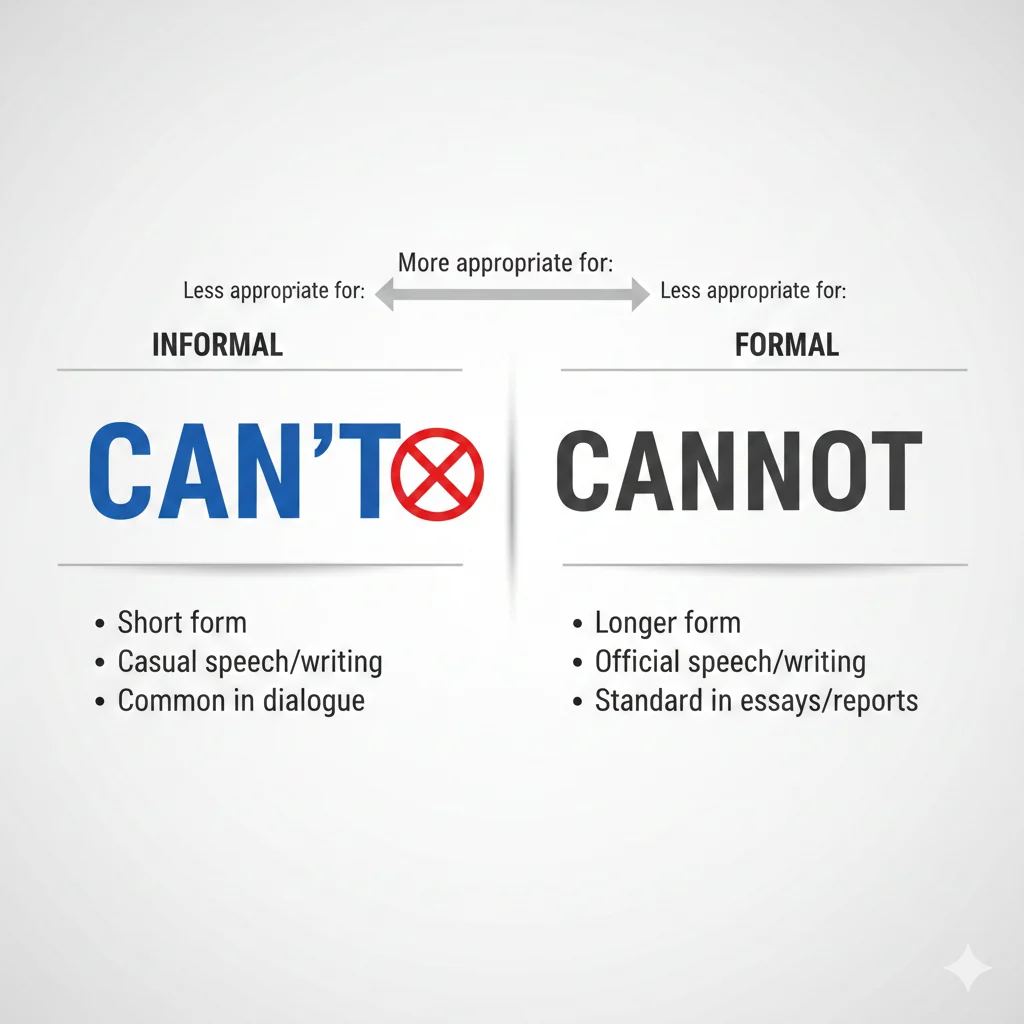
Confused about can’t vs cannot? You’re not alone. Students lose marks over this.Professionals weaken emails because of it.Writers damage authority ...
Read more
Composed vs Comprised: The Real Difference Made Simple
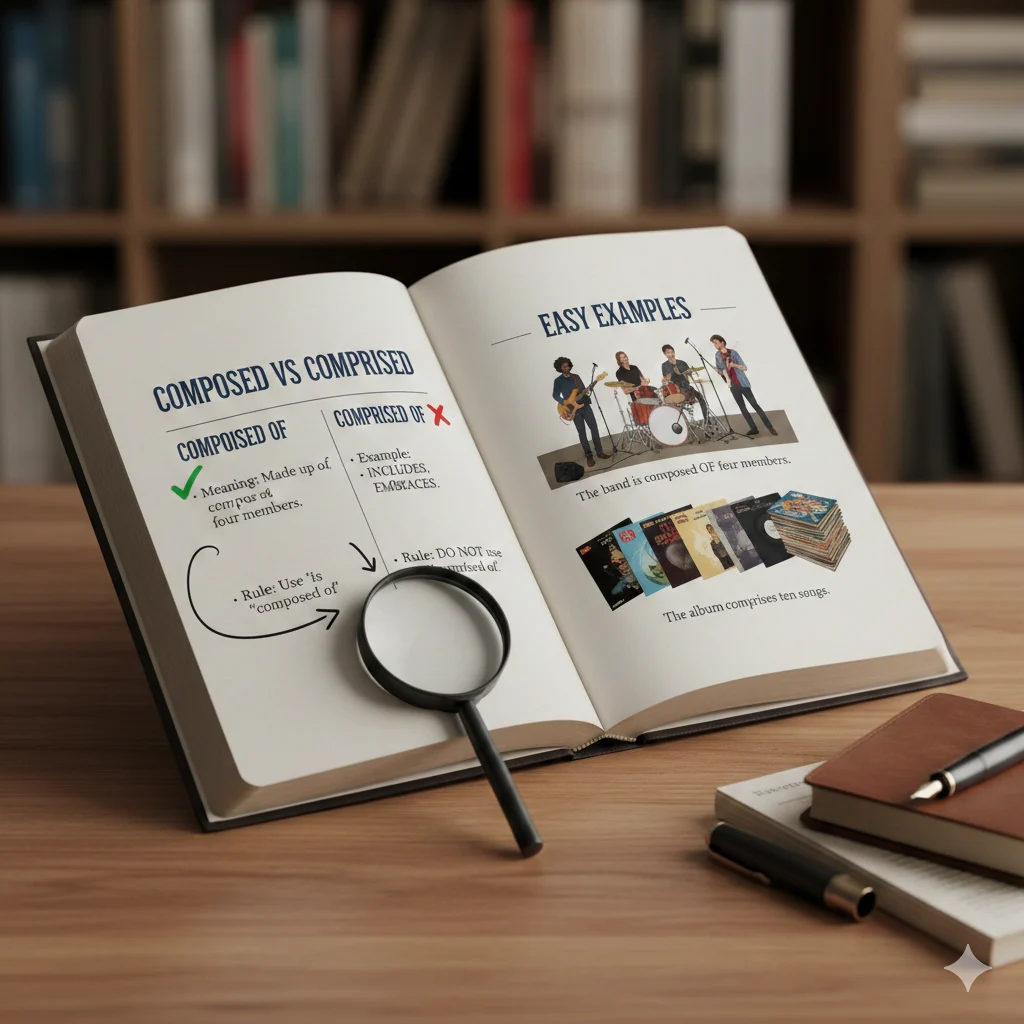
If you hesitate before writing composed vs comprised, you are not alone. This is one of the most searched grammar ...
Read more